Hill History: Relics from bygone Bytown’s base
In February 2019, the Senate moved to the Senate of Canada Building, a former train station built in 1912. The Senate will occupy this temporary location while Parliament’s Centre Block — the Senate’s permanent home — is rehabilitated.
Although Centre Block is shuttered for rehabilitation work, Canadians can still experience its art and architecture through the Senate’s immersive virtual tour.
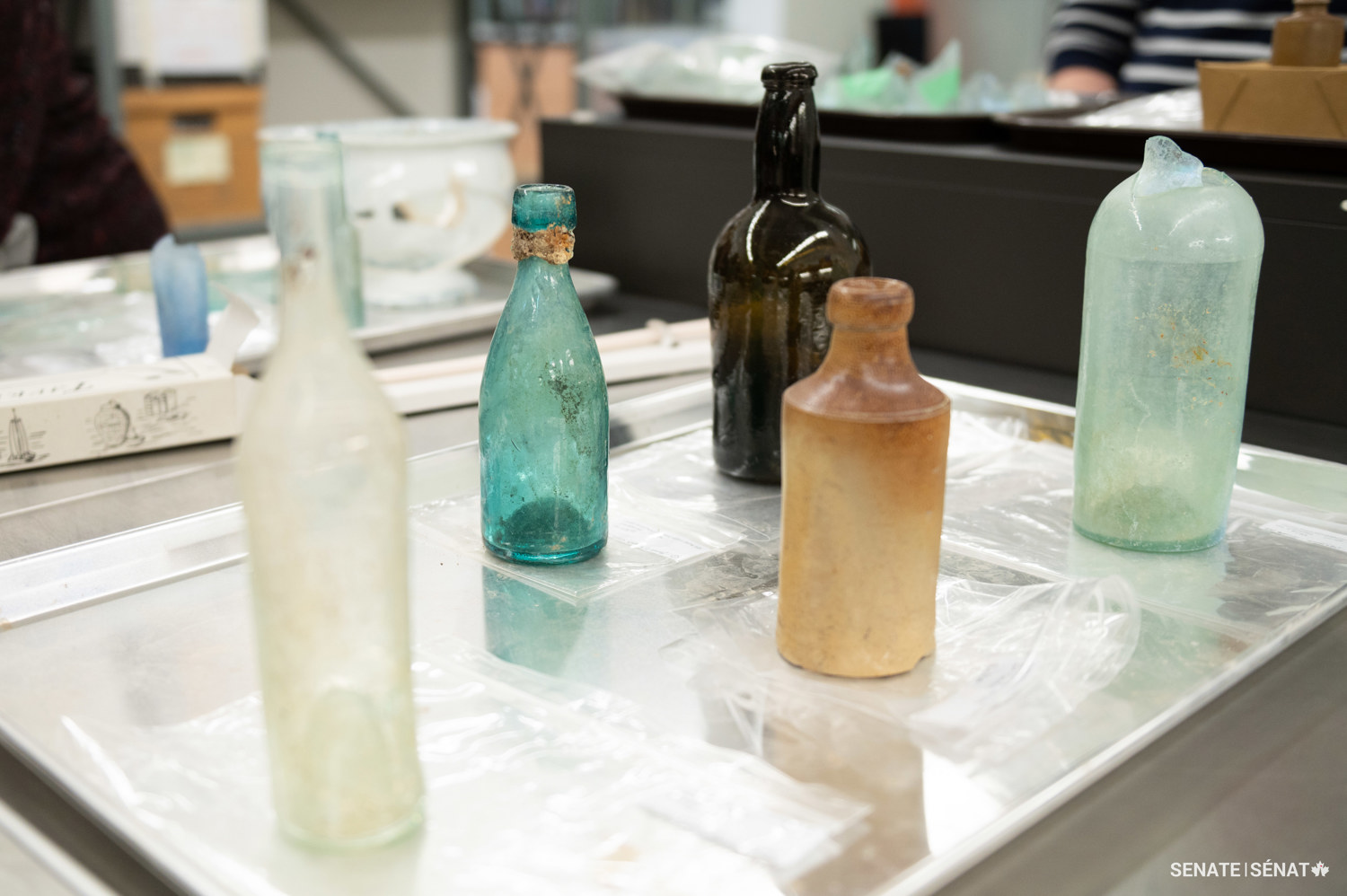
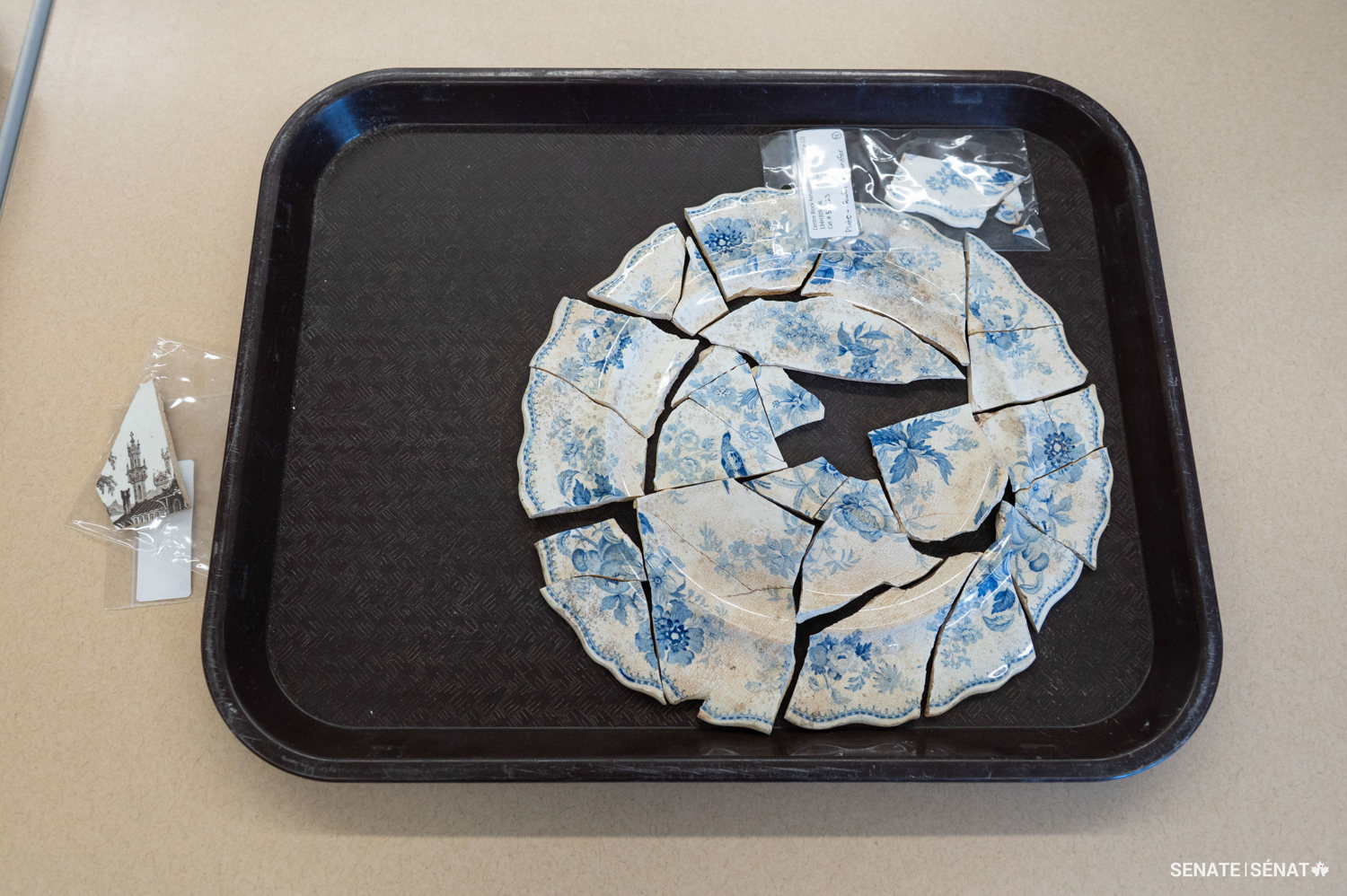
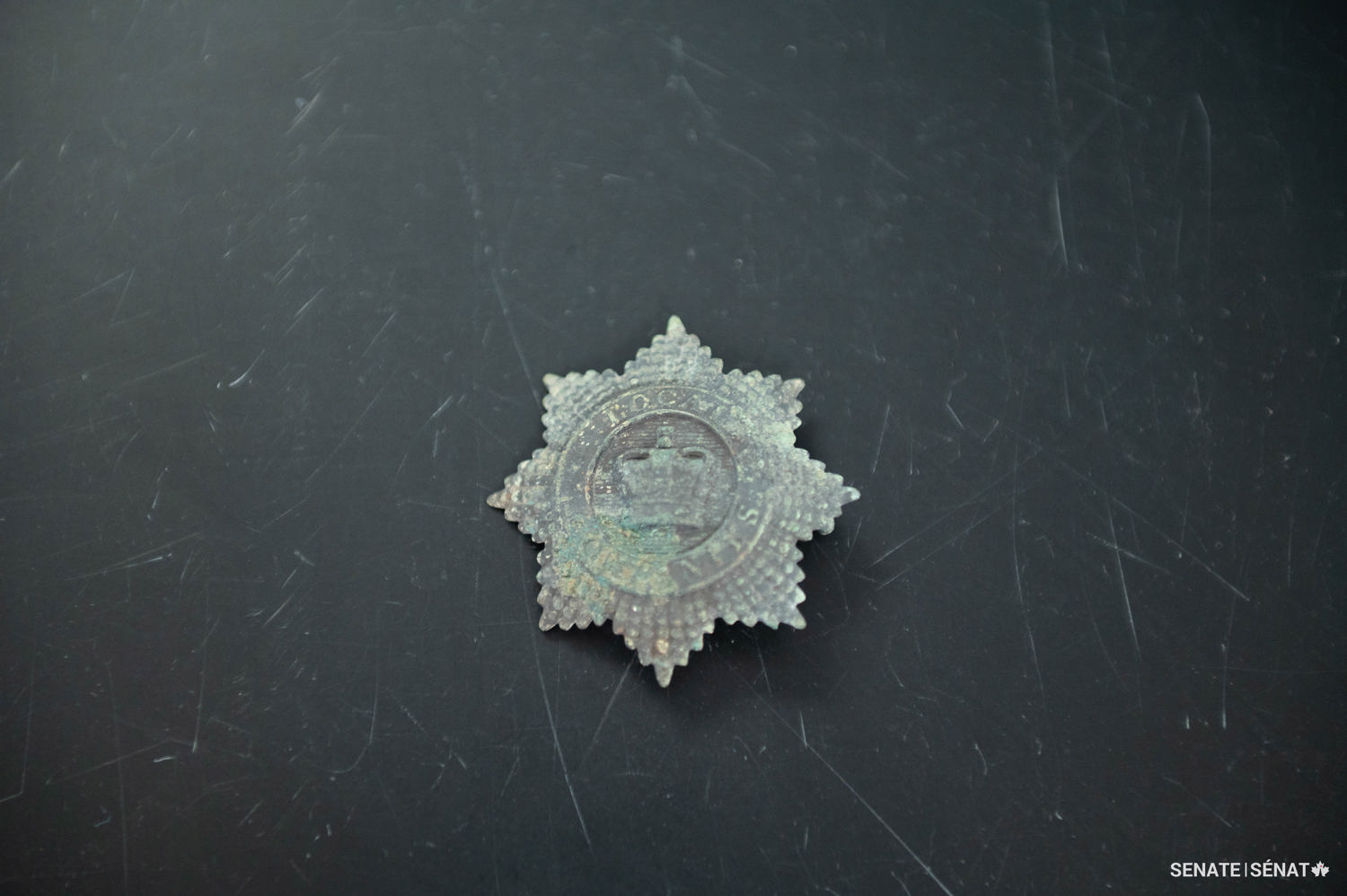
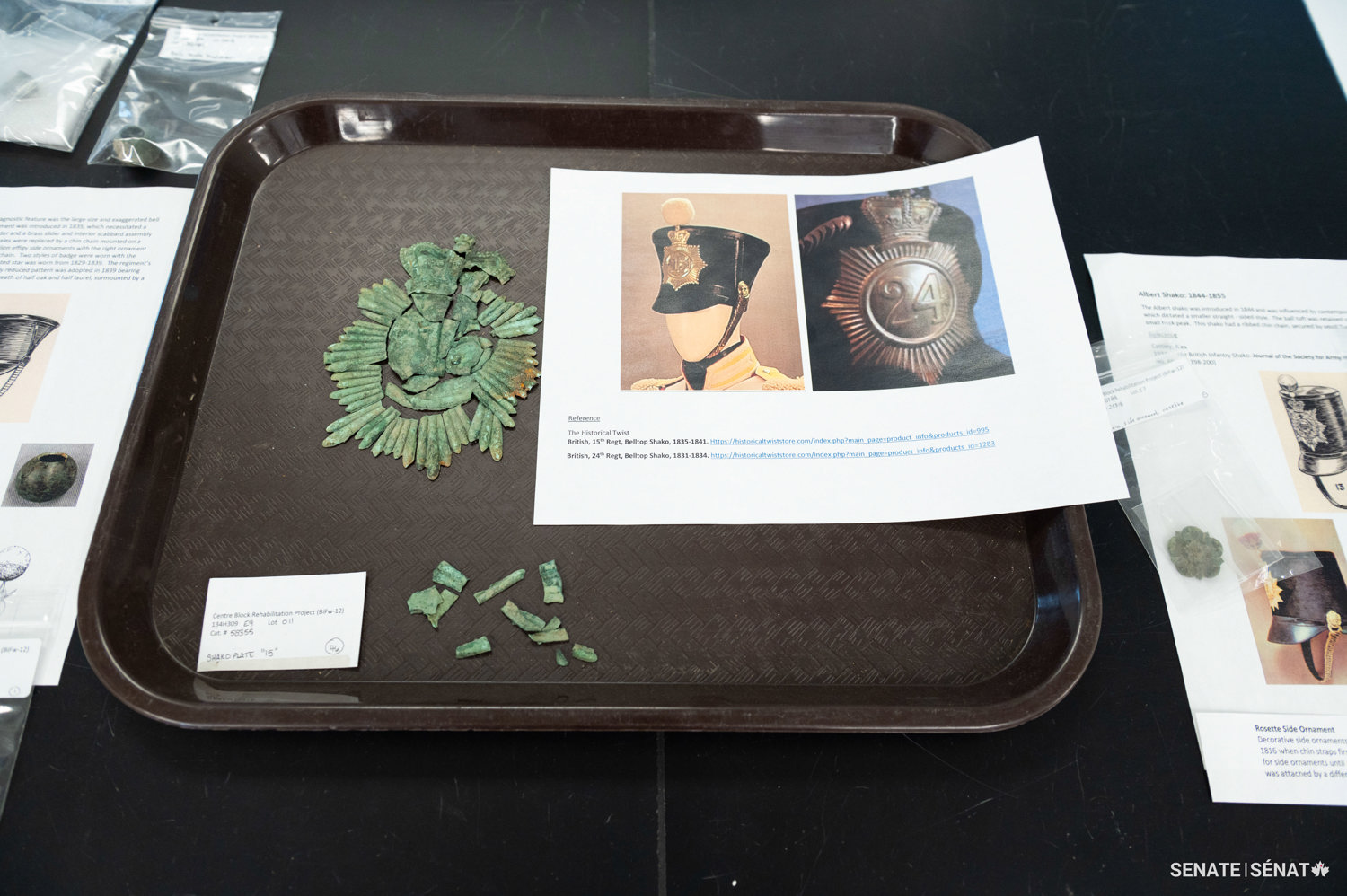
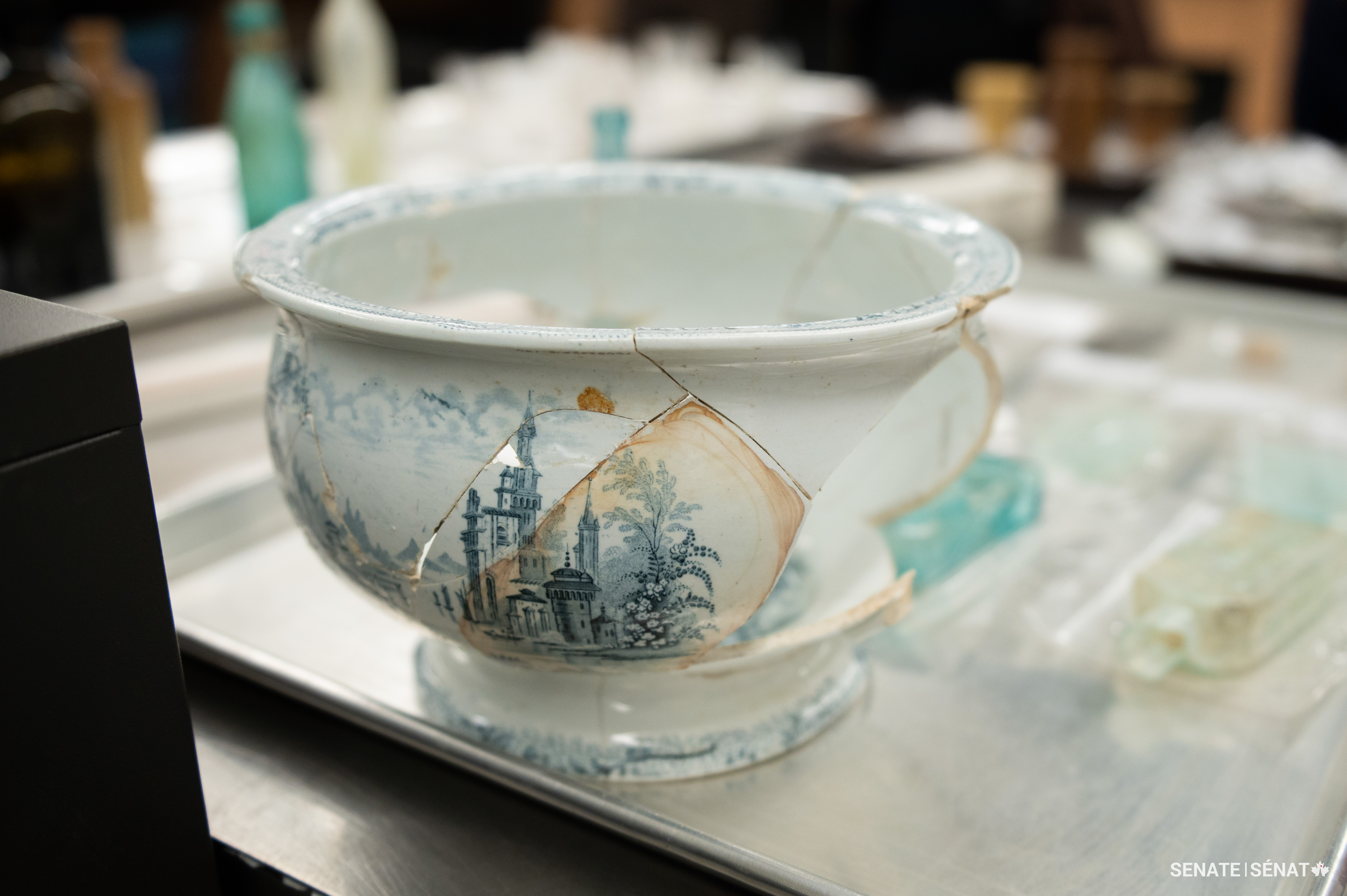
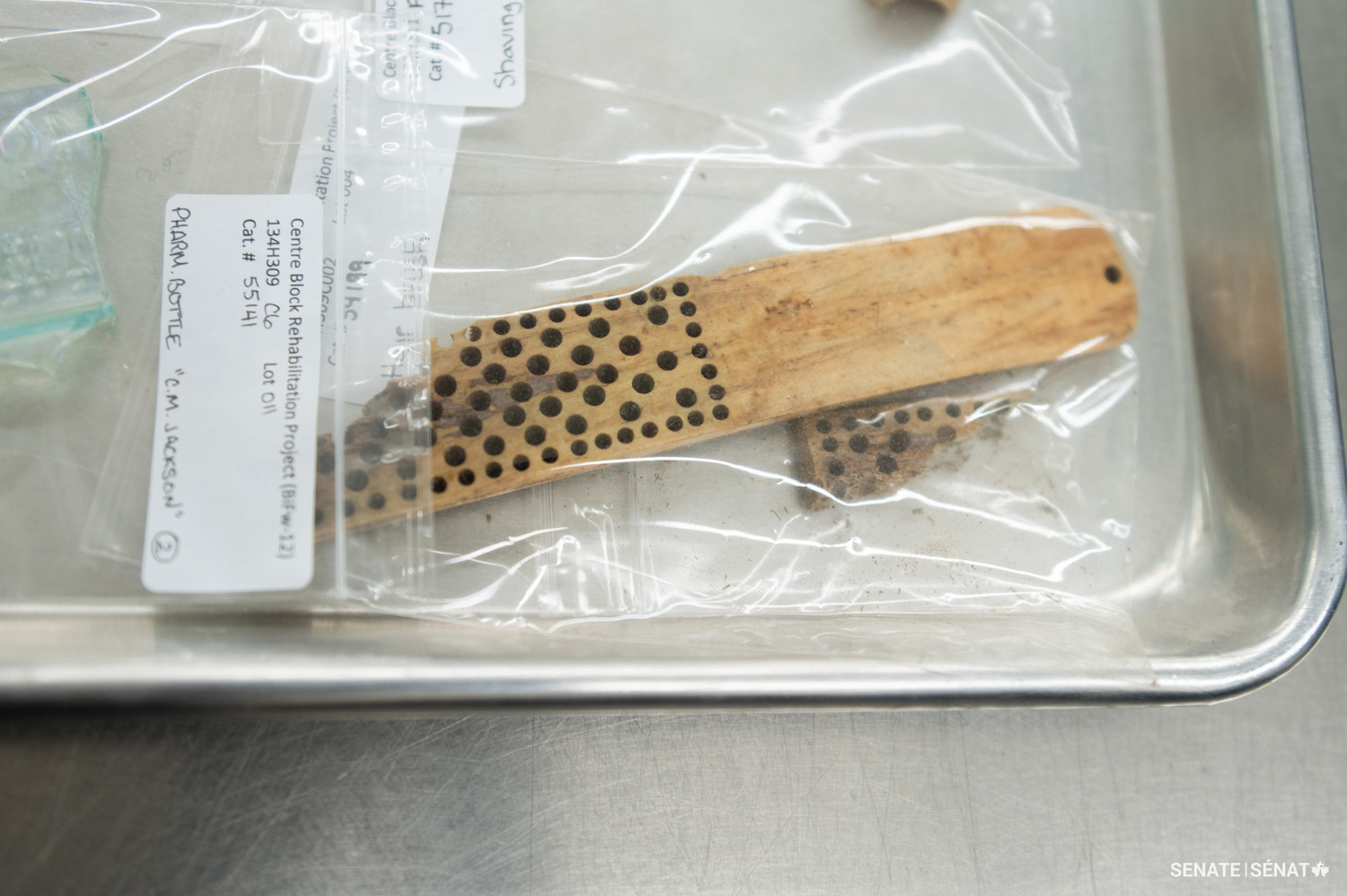
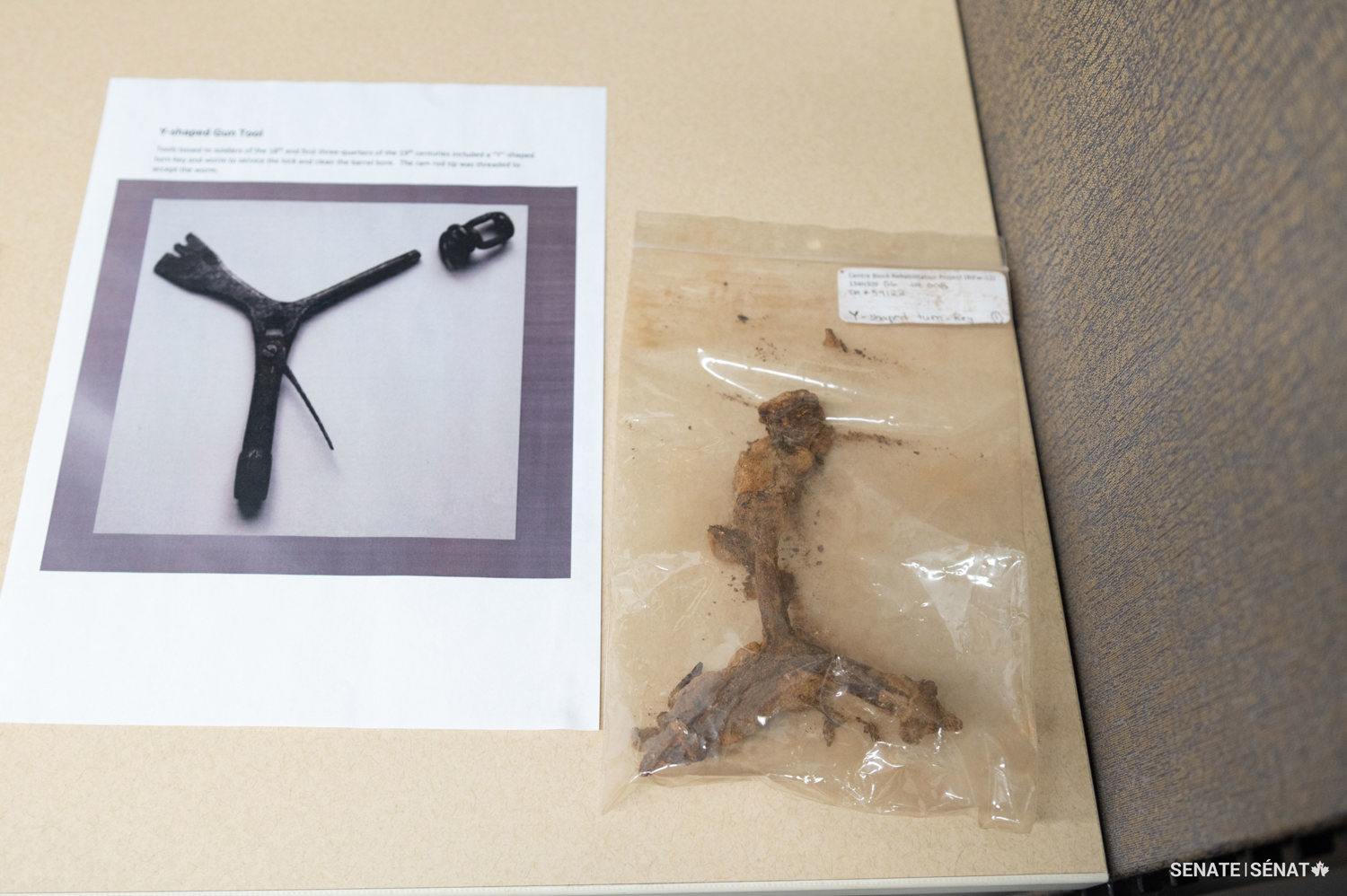
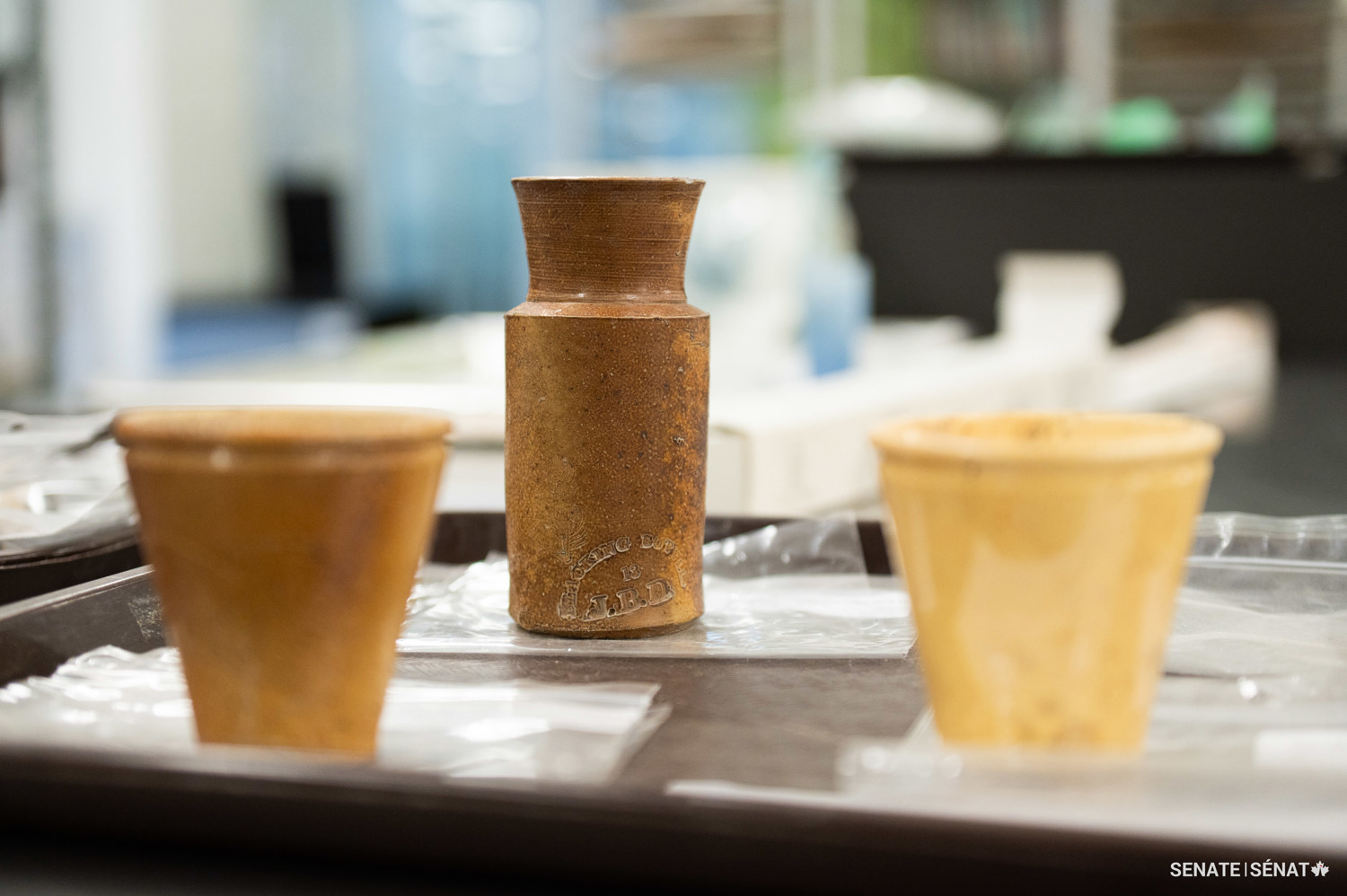
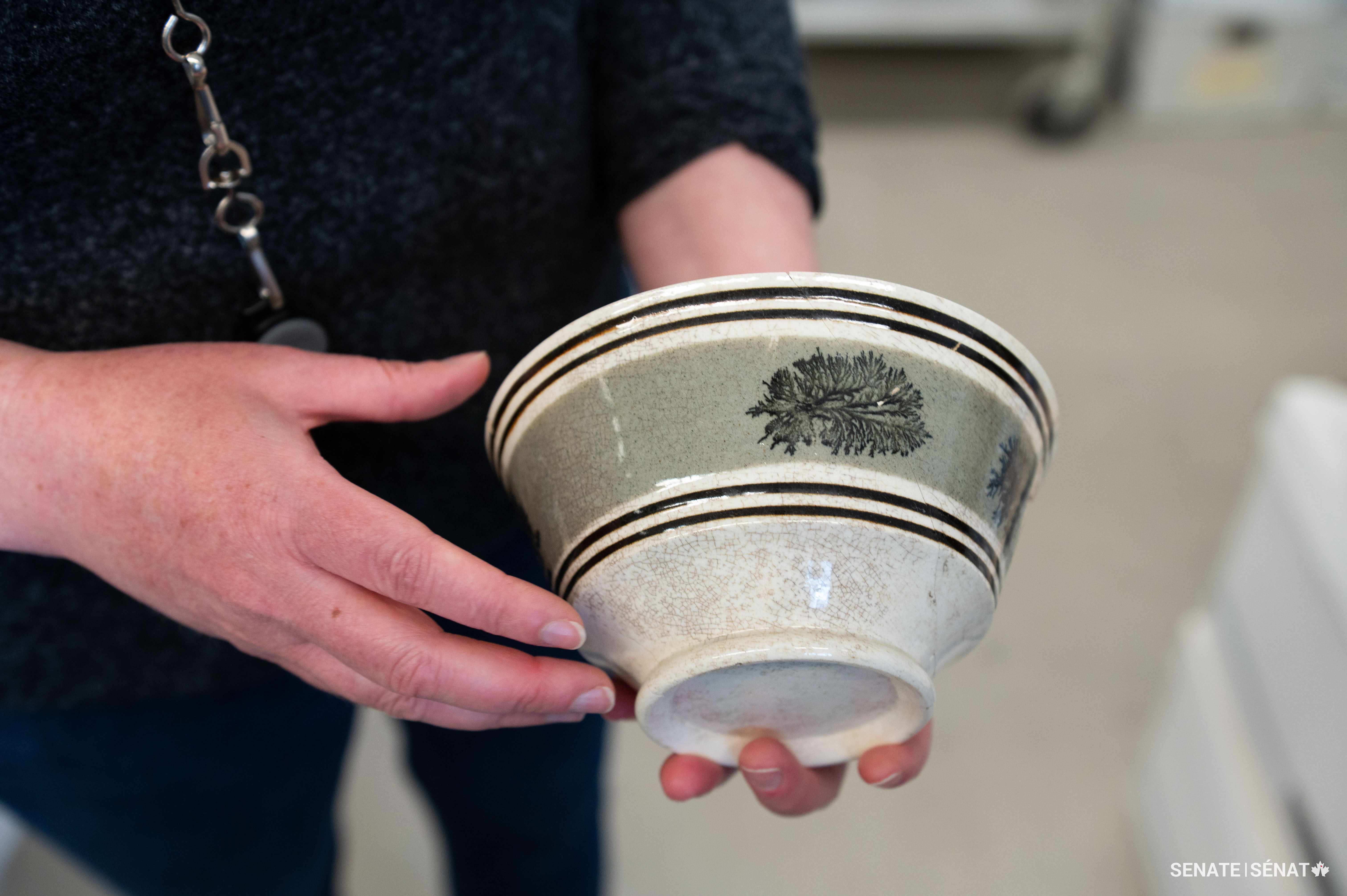
Pharmacy bottles. Dinnerware. Smoking pipes. Chamber pots. Combs. Bone buttons. Remnants of military uniforms.
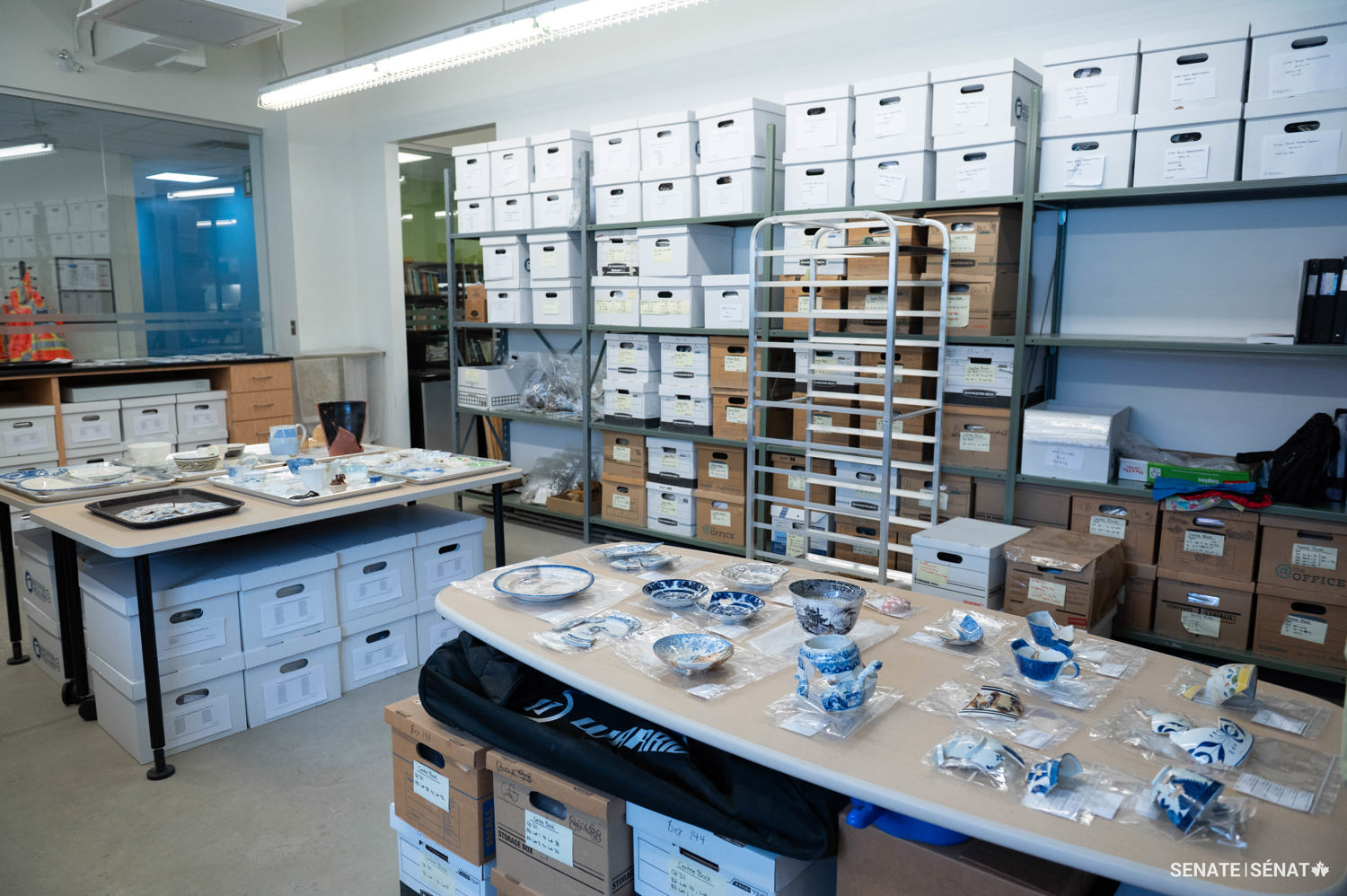
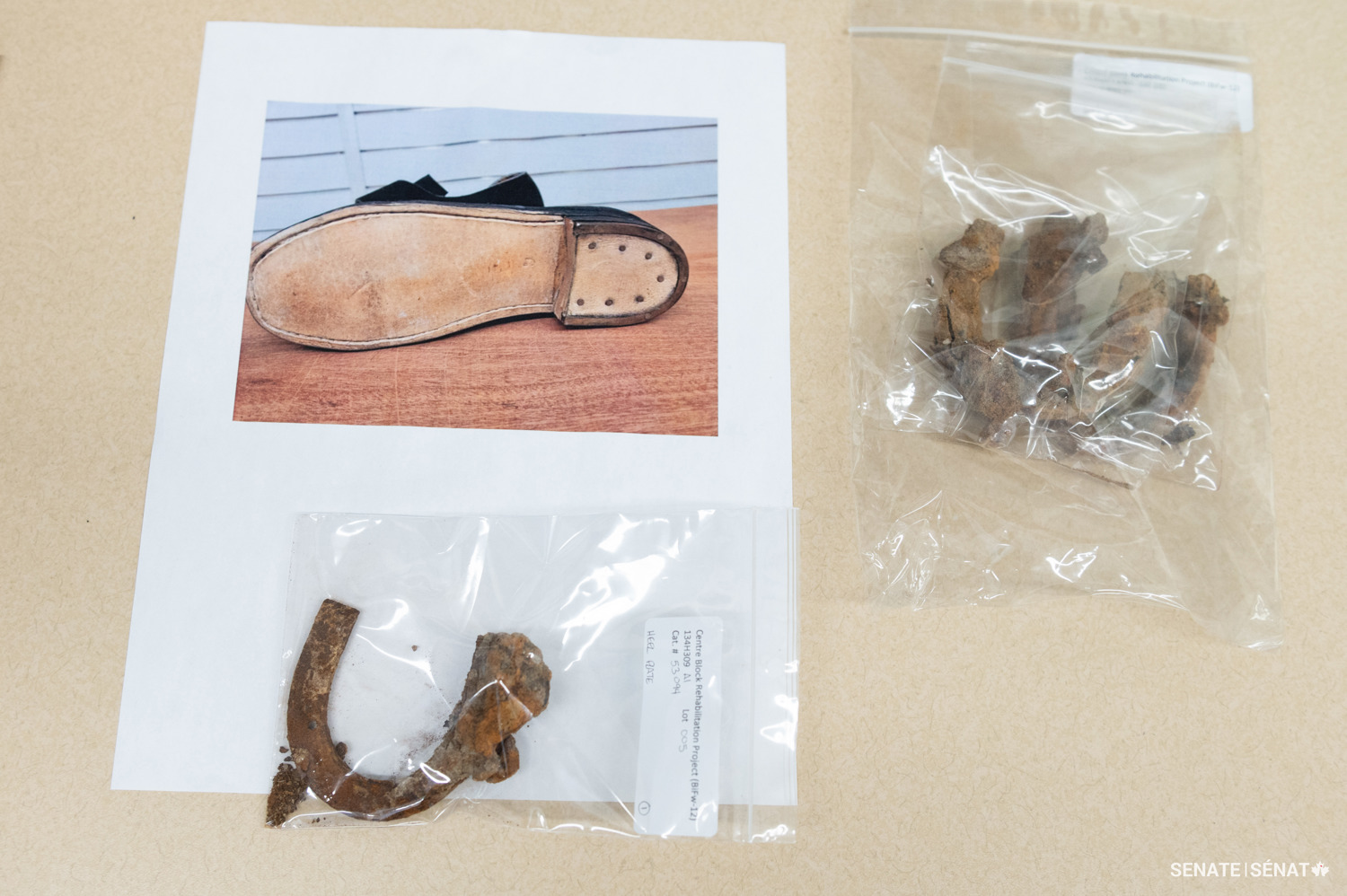
Those are among the 205,000 — and counting — fragments of objects and artefacts from the early 19thcentury that a team of archaeologists has unearthed during 13 months of excavation on Parliament Hill and have been cataloguing since the conclusion of the big dig.
That intense period of excavation occurred in 2019 and 2020, towards the start of the rehabilitation of Centre Block, before construction of the new underground Parliament Welcome Centre began.
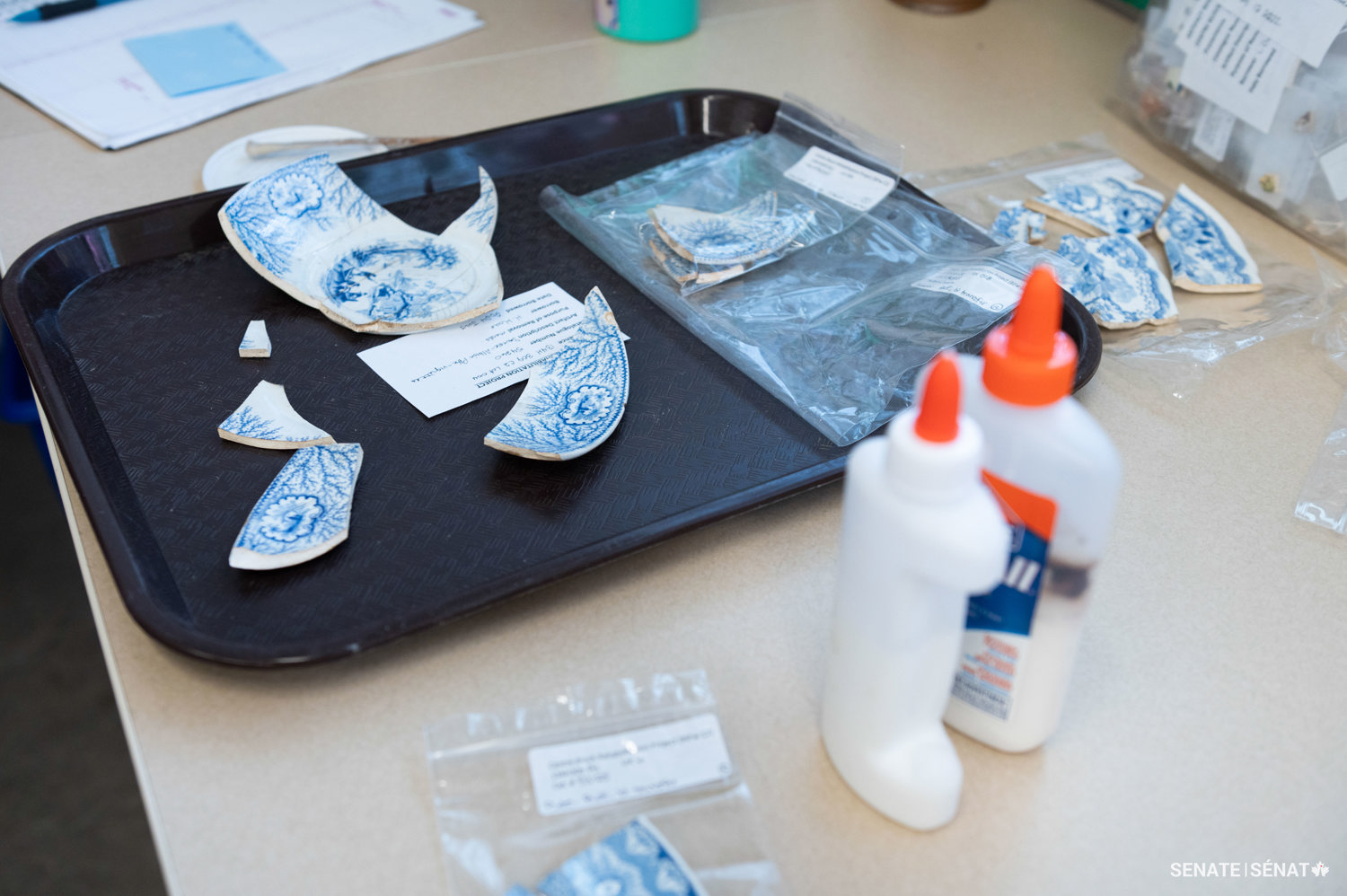
Since then, archaeologists have been researching and categorizing these pieces of history at a warehouse in Ottawa and consulting experts ranging from material culture specialists and military archaeologists to plant and animal experts.
It’s an archaeological project so large in scope that the experts involved can’t think of a recent dig that compares.
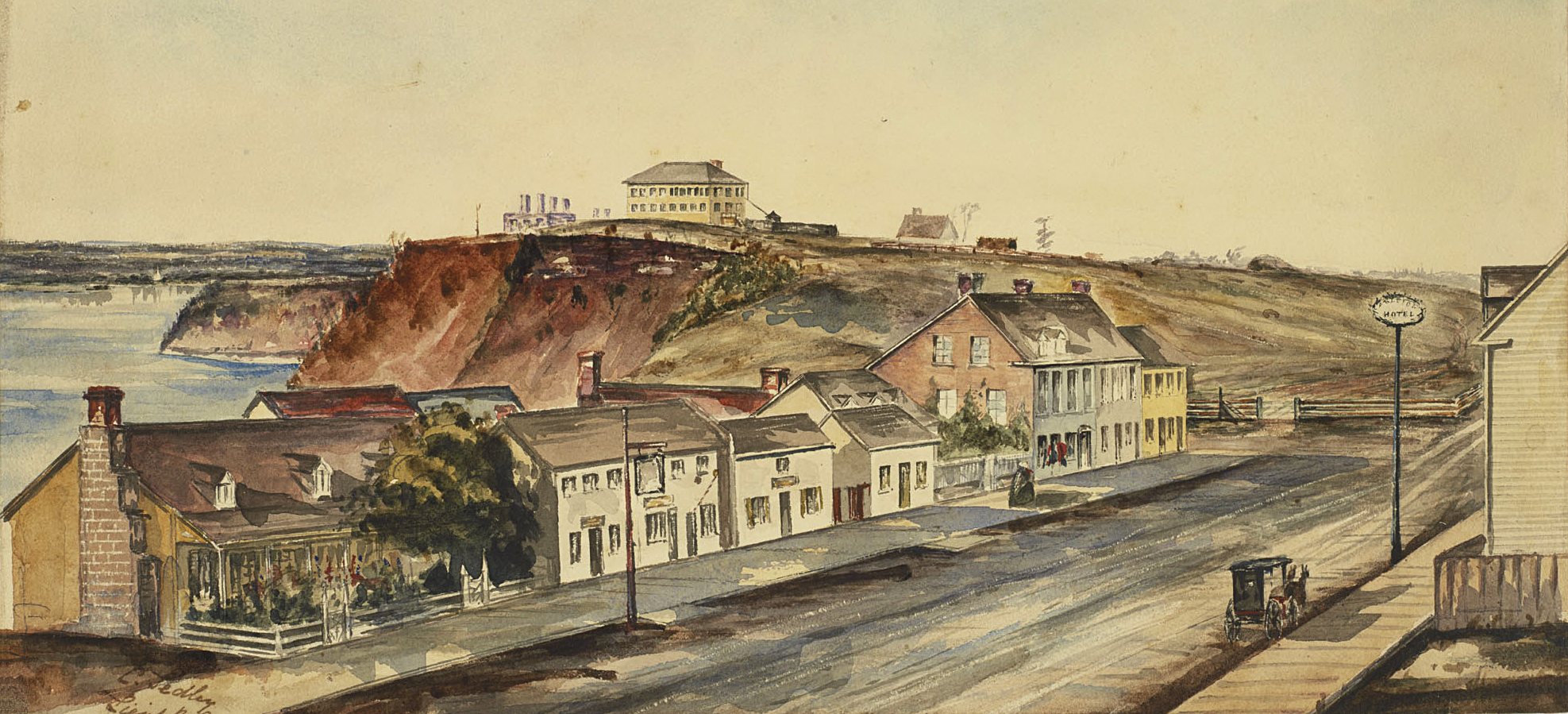
What this years-long endeavour has produced is a sharper image of life on the Hill almost 200 years ago when it was Barrack Hill in Bytown in the United Province of Canada.
Life on the Hill was life on a military base.
From 1827 to 1858, the Hill was home to the British Royal Engineers, the corps of soldiers who oversaw the construction of the Rideau Canal, now a UNESCO World Heritage Site.
On the east side of Centre Block, close to the Senate Chamber, archaeologists discovered the foundations of barracks, a guardhouse and other smaller buildings that made up the camp.
Once the Rideau Canal was completed, the base’s activities wound down, but it remained in use until Ottawa was officially declared the permanent national capital in 1858. After that, planning and construction began to build the capital’s new, supposedly permanent but less than fireproof legislature on the same site.
SenCAplus visited the warehouse where most of the artefacts from Parliament Hill’s archaeological dig are being stored. Scroll down for a closer look at a history — and for more information about the excavation, watch Public Services and Procurement Canada’s video.