
The Report
Executive Summary
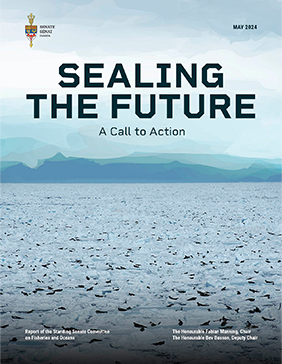
In October 2022, the Standing Senate Committee on Fisheries and Oceans (the committee) undertook a study on Canada’s seal populations and their effects on Canada’s fisheries. Over the course of more than a year, the committee sought testimony and information about the following topics and issues:
- Canada’s seal populations, their effects on fisheries and the ecosystems they inhabit, their diets, and their distribution;
- Canada’s seal harvest and seal products industry; and
- The cultural and economic importance of seals to remote, coastal and Indigenous communities in Canada.
The committee’s report, entitled Sealing the Future: A Call to Action, presents this information and answers the questions posed in the study’s order of reference, which are summarized below.
How does Canada determine research priorities and funding allocations for research related to seals?
The committee determined that troubling science and research gaps exist. The committee proposes actionable solutions to help fill these knowledge gaps to enable Fisheries and Oceans Canada to better understand the roles seals play within the ecosystems they inhabit, and to learn more about their diets and their distribution. These include developing a more robust and state-of-the-art marine and fisheries research capacity and encouraging more scientific collaboration that better utilizes private sector and academic partners and incorporates Indigenous and local knowledge.
How have Canada’s seal populations been managed by the federal government thus far and what are the most appropriate and effective ways of managing seal populations going forward?
The committee found that the federal government is not managing seal populations in an active or evidence-based manner. Additional troubling findings included the precipitous decline of Canada’s once-vibrant sealing industry and the breadth of misinformation and disinformation that surrounds Canada’s seal harvest. Although the current seal harvest is humane and well regulated, the commercial total allowable catches set by Fisheries and Oceans Canada have not been reached for some time and the committee learned that seal harvesting is no longer economically viable for most fishers. This decreased harvest has impacted the transfer of skills and traditional knowledge, and limited the availability of seals for the value-added products industry.
The committee underscores that Canada’s commercial seal harvest has not been actively managed by Fisheries and Oceans Canada for some time because the harvests have been almost negligible. This report recommends targeted actions to reinvigorate the harvest, which is socially, economically, and culturally important. The seal harvest presents significant economic opportunities for many remote, coastal, and Indigenous communities, and plays a crucial role in ensuring ecosystem balance.
Do seals have an effect on Canada’s fisheries?
Despite the fact that the committee heard several statistics that emphasized the impact seals can have on fish populations – including that seals eat 22 times as much fish as is commercially harvested, and that an adult seal can eat 1,000 kilograms of fish and seafood per year and in some cases more – it has determined that Fisheries and Oceans Canada is unable or unwilling to make any conclusions about the effects of seals on fisheries. However, the committee did learn that most seal populations in Canada are stable and able to sustain well-managed commercial harvests on all of our coasts.
Recommendations
In all, the committee makes 9 recommendations in this report to:
- Improve seal population management;
- Expand marine and fisheries research capacity and encourage substantially more collaborative research;
- Counter misinformation and disinformation about Canada’s seal populations, seal harvest, and seal products industry by promoting credible sources of information, among other measures; and
- Develop market access for seal-based products.
The committee is hopeful that the report will be a call to action and that its findings will persuade the Government of Canada – and each of the appropriate departments and agencies – to take immediate and concerted steps to implement the committee’s recommendations with expediency. The committee looks forward to getting an update from Fisheries and Oceans Canada on the progress made in the coming months and beyond.
Recommendations
RECOMMENDATION 1 (Seal Population Management Strategy)
The committee strongly recommends that the Government of Canada urgently develop and implement an effective and sustainable seal population management strategy, as soon as is practicable or no later six months from the date of tabling of this report.
This strategy must be prepared in collaboration with relevant stakeholders and take into consideration:
- the fact that various seal species are found on the Atlantic, Arctic, and Pacific Coasts;
- the fact that seals are part of complex ecosystems;
- the impacts of climate change on seals and the ecosystems they inhabit; and
- the social, economic, and cultural importance of the seal industry.
RECOMMENDATION 2 (Marine and Fisheries Research Capacity)
The committee recommends that the Government of Canada rapidly develop and implement a more robust and state-of-the-art marine and fisheries research capacity, by using both currently available and up-to-date modern research methods and emerging technologies, and by acquiring and establishing additional ocean-specific research infrastructure, such as dedicated research vessels. This must include the incorporation of Indigenous knowledge to enhance research capacity. Furthermore, these research capacity-building activities must be developed in collaboration with Indigenous governments and organizations, communities, seal industry members, the academic community, international experts, private sector organizations, and other stakeholders.
RECOMMENDATION 3 (Increasing Seal Science and Research Collaboration)
The committee recommends that the Government of Canada encourage, foster, and support greater science and research collaboration concerning seal populations, their diets, and their distribution. This must be conducted together with provincial, territorial, and Indigenous governments, academics, international experts, seal harvesters, commercial fishers, local communities, private sector organizations, and other relevant stakeholders, and where possible, must utilize existing modern research capacity. As part of this work, the Government of Canada must also ensure that resulting data and research outcomes are shared appropriately, which could be done by way of a user-friendly database designed to meet the information needs of researchers and stakeholders.
RECOMMENDATION 4 (Modifications to the Income Tax Act)
The committee recommends that the Government of Canada urgently review and amend the Income Tax Act and all other related acts, as needed, to ensure that registered Canadian charities and non-profit organizations that produce or promote misinformation and/or disinformation about the seal harvest or seal products industry have their tax-exempt status revoked.
In addition, the committee recommends that the Government of Canada amend the Income Tax Act to require registered Canadian charities and non-profit organizations to fill out information returns about donors, similar to those that are prescribed for registered journalism organizations in section 149.1(14.1) of the Act, which includes a public information return for the year in the prescribed form that lists each donor whose total gifts to the organization in the year exceed $5,000.
RECOMMENDATION 5 (National Educational Campaign)
The committee recommends that the Government of Canada develop, in collaboration with Indigenous governments and organizations, local communities, and seal industry members, a national educational campaign regarding Canada’s seal populations, seal harvest, and seal products industry. The educational campaign should be informed by educational materials currently available and be completed and ready to launch within one year of the tabling of this report. This educational campaign material and its implementation plan shall be shared with the Standing Senate Committee on Fisheries and Oceans upon its completion.
RECOMMENDATION 6 (Anti-misinformation/Anti-disinformation Campaign)
The committee recommends that the Government of Canada, in collaboration with key stakeholders, create and disseminate an effective anti-misinformation/anti-disinformation campaign related to the Canadian seal harvest and seal products industry. Work on this campaign must begin immediately and it is essential that it be a whole-of-government initiative, led by Fisheries and Oceans Canada.
RECOMMENDATION 7 (Increasing the Seal Harvest)
The committee recommends that the Government of Canada immediately take steps to ensure that commercial sealing is economically viable for harvesters, which will help grow the seal products industry so that it can achieve the commercial total allowable catches set by Fisheries and Oceans Canada. Marine and fisheries research and a sustainable seal population management strategy will help ensure that the commercial harvest remains sustainable and is adjusted when necessary. In addition, to expand Canada's seal products industry and to open new domestic and international markets, the Government of Canada must be willing to take actions, such as implement regulatory changes and invest in innovative product development, national marketing campaigns, and an effective anti-misinformation/anti-disinformation campaign.
RECOMMENDATION 8 (Seal Studies Centre of Excellence)
The committee recommends that the Government of Canada immediately begin to establish a seal studies centre of excellence that includes Indigenous organizations, academic institutions, and other relevant stakeholders as partners, and is supported by Fisheries and Oceans Canada.
RECOMMENDATION 9 (International Market Development)
The committee recommends that the Government of Canada, in collaboration with key stakeholders, urgently develop and implement a domestic and international campaign to promote traditional and innovative Canadian seal products and to work towards the removal of trade barriers and the development of new markets. Work on this campaign must begin immediately and it is essential that it be a whole-of-government initiative, led by Global Affairs Canada.
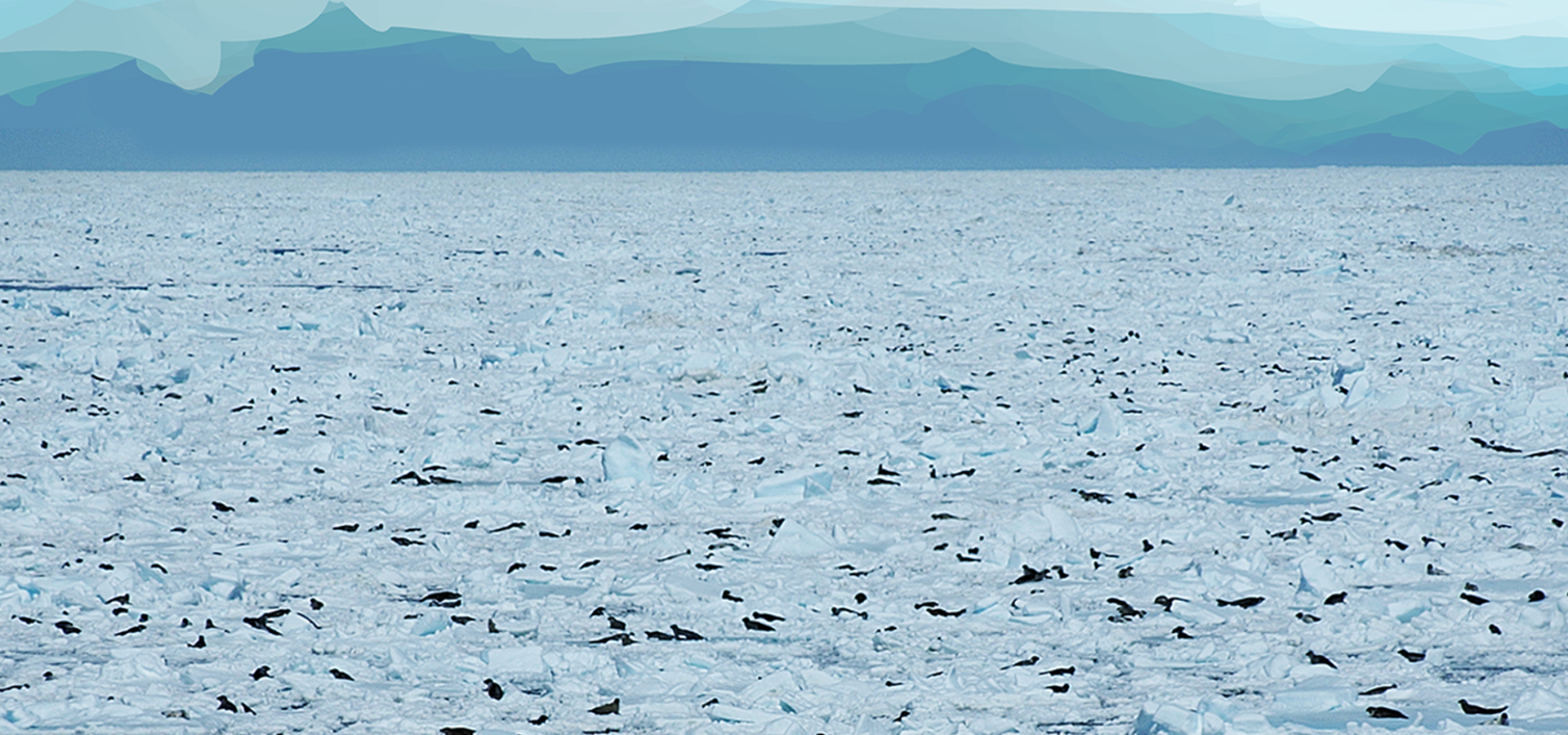
Ottawa – The federal government must secure a sustainable future for Canada’s seal harvest by supporting measures that increase the annual harvest, revitalize the seal products industry, improve seal population management and maintain healthy ocean ecosystems, the Senate Committee on Fisheries and Oceans said in a report released May 23, 2024.
The report, Sealing the Future: A Call to Action, comes after a critical study of Canada’s seal populations. The study revealed the federal government has neglected the commercial seal harvest, contributing to the steep decline of the country’s once-vibrant sealing industry and to the ecological disruption in Canada’s oceans. A bigger commercial harvest would benefit remote, coastal and Indigenous communities in the North and on the East Coast where seal harvesting holds deep social, cultural and economic importance and is one of the few industries in which community members can participate. A revitalized seal products industry could strengthen local economies and sustain families, the report said.
Regrettably, persistent anti-sealing propaganda remains a major obstacle for the industry. Various animal welfare groups continue to spread lies about the seal harvest, e.g., that the practice is inhumane and unsustainable. The committee heard Canada’s seal harvest is guided by rigorous animal welfare principles and most seal populations can sustain well-managed commercial harvests. Nevertheless, more than 30 countries — including all the European Union countries and the United States — maintain import bans on commercial seal products, with devastating consequences for remote, coastal and Indigenous communities.
That’s why the committee is calling on the government to implement a domestic and international campaign to promote Canadian seal products and open new markets. The committee is also recommending that the government take measures to ensure registered Canadian charities and non-profit organizations that continue to spread lies about the sealing industry have their tax-exempt status revoked.
Well-managed seal populations are essential to maintaining balanced ocean ecosystems. To that end, the report recommends that the government put in place an effective and sustainable seal population management strategy within the next six months, and that it improve its capacity for marine and fisheries research. Fisheries and Oceans Canada has not collected the data needed to draw conclusions about the effects of seals on fish stocks, despite the fact the committee heard that seals eat 22 times as much fish as is commercially harvested.
Quick Facts
- Indigenous peoples, particularly Inuit, have harvested seals for subsistence for thousands of years. Approximately 90% of Canada’s seal harvest occurs in Nunavut.
- While the committee heard that Fisheries and Oceans Canada remains reluctant or unable to quantify the effect of seals on fish stocks, the department conceded that grey seals are known to be negatively affecting some groundfish stock recovery. An adult seal can eat 1,000 kilograms of fish and seafood per year — and in some cases, more.
- Fisheries and Oceans Canada no longer sets new limits for the number of seals that can be harvested annually. With many international markets closed off due to import bans on seal products, very few harvesters participate in the seal harvest today. Between 2018 and 2022, only 1% of the total allowable catch was landed for the grey seal harvest and only 7% was landed for the harp seal harvest.
Quotes
“This report is our call to action to secure a viable future for Canada’s seal industry. Decades-old import bans, fuelled by lies about the seal harvest, have seriously harmed the livelihoods of remote, coastal and Indigenous communities. Had this occurred to any other major Canadian industry, Ottawa would have jumped to defend it. The government has no more time to waste.”
- Senator Fabian Manning, Chair of the committee
“Ecological data on Canada’s seal populations is lacking and much of what exists is outdated. That’s why the committee is calling on the government to bolster its seal science and marine research capacity, so policymakers better understand the effects seal populations have on ocean ecosystems and food webs.”
- Senator Bev Busson, Deputy Chair of the committee
“For too long, anti-sealing groups have controlled the narrative about Canada’s seal harvest with incendiary language and misleading information. We cannot allow this to persist without consequences: tax dollars should not be used to bring a historically and culturally important industry to its knees.”
- Senator Colin Deacon, member of the committee
“Canada’s commercial and traditional seal harvesters are fighting to stay afloat. The federal government must take the lead in working with other levels of government and stakeholders to educate the public about the seal harvest, to promote Canadian seal products and to develop markets for those products at home and abroad.”
- Senator Rodger Cuzner, member of the committee
Associated Links
- Read the report: Sealing the Future: A Call to Action.
- Read about the committee’s fact-finding mission: Fishers suffering from seal boom, Senate committee hears in Newfoundland and Labrador
- Follow the committee on social media using the hashtag #POFO.
- Subscribe to email alerts for Senate committees.
- Sign up for the Senate eNewsletter.
For more information:
Ben Silverman
Communications Officer | Senate of Canada
343-574-4950| ben.silverman@sen.parl.gc.ca
Multimedia


Senators Brian Francis, Bev Busson, Réjean Aucoin and Fabian Manning show copies of the Senate committee on Fisheries and Oceans’ report called “Sealing the Future: A Call to Action”.

At a press conference for a new report by the Senate Committee on Fisheries and Oceans, committee chair Senator Fabian Manning speaks about Canada's seal industry as senators Brian Francis, Bev Busson and Réjean Aucoin look on.

Senator Fabian Manning, Chair of the Senate committee on Fisheries and Oceans, answers journalists’ questions during a press conference to present its latest report on Canada’s seal populations.
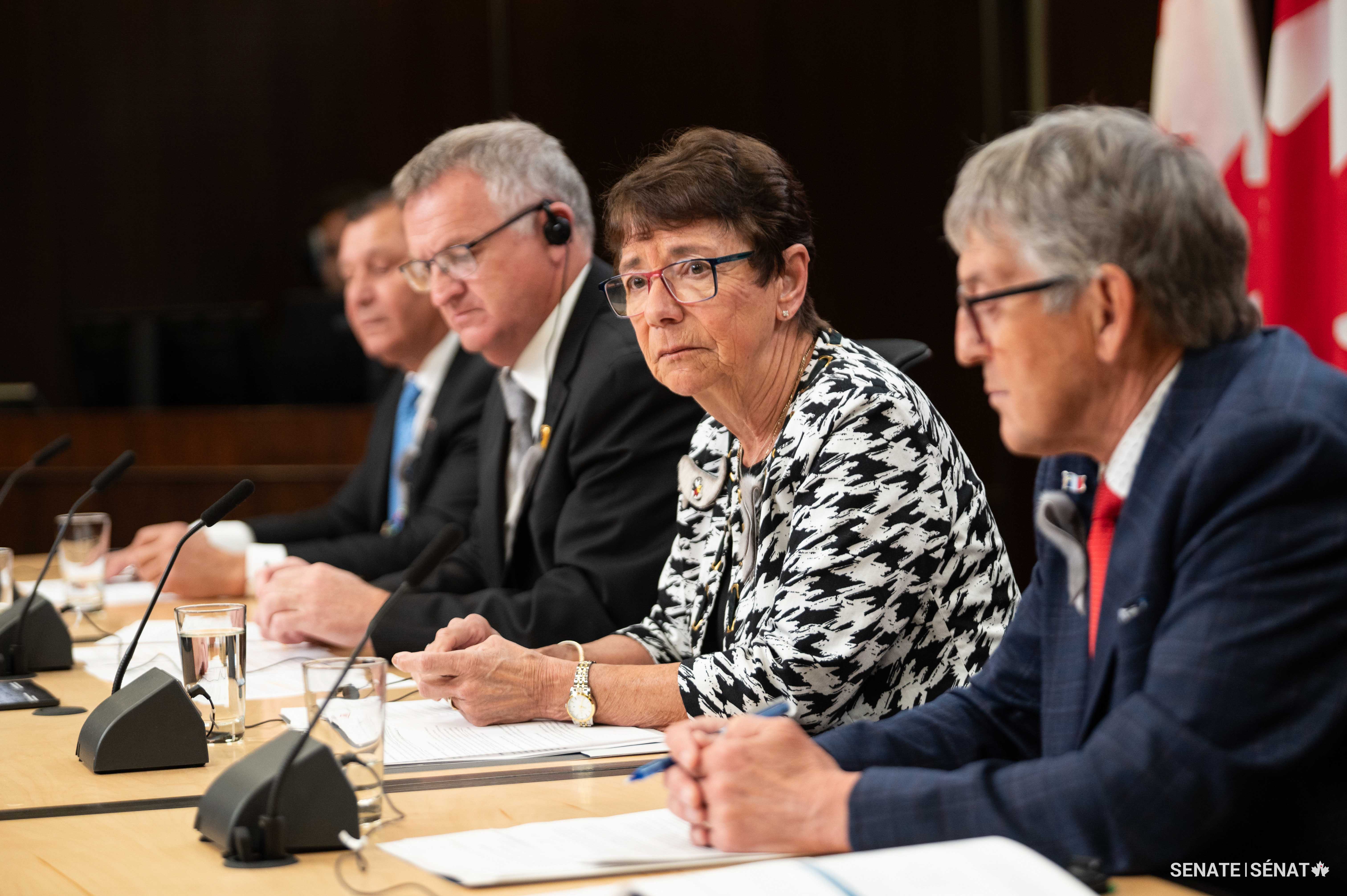
Senator Bev Busson, Deputy Chair of the Senate committee on Fisheries and Oceans, discusses the committee’s report on Canada’s seal populations during a press conference.
Senators who participated in this study

Fabian Manning
C - Newfoundland and Labrador

Bev Busson
ISG - British Columbia

Colin Deacon
CSG - Nova Scotia

Rodger Cuzner
PSG - Nova Scotia

Salma Ataullahjan
C - Ontario (Toronto)

Jane Cordy
PSG - Nova Scotia

Pat Duncan
GRO - Yukon

Brian Francis
PSG - Prince Edward Island

Stan Kutcher
ISG - Nova Scotia

Marilou McPhedran
Non-affiliated - Manitoba

Rebecca Patterson
CSG - Ontario

Iris G. Petten
GRO - Newfoundland and Labrador

Jim Quinn
C - New Brunswick

Mohamed-Iqbal Ravalia
ISG - Newfoundland and Labrador
Ex-officio members of the committee: The Honourable Senator Marc Gold, P.C. or The Honourable Senator Patti LaBoucane-Benson, The Honourable Senator Donald Neil Plett or The Honourable Senator Yonah Martin
Other Senators who have participated in the study: The Honourable Réjean Aucoin, The Honourable Marty Deacon, The Honourable Pierrette Ringuette