
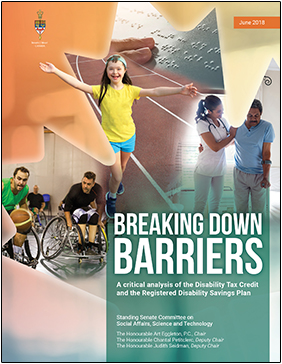
Recommendations
RECOMMENDATION 1:
That the Minister of National Revenue takes steps to ensure that the Disability Advisory Committee:
- better reflects the diversity of the larger disability community including intersectionality;
- include representatives from neurodevelopmental and episodic disability communities;
- has a broader mandate which includes advising the government on administrative, policy and legislative improvements related to the Disability Tax Credit and Registered Disability Savings Plan; and
- is consulted before any substantive changes are made to the administration of the Disability Tax Credit and Registered Disability Savings Plan.
RECOMMENDATION 2:
That the Government of Canada:
- bring into force legislation limiting the fees disability services providers can charge to complete the Disability Tax Credit application; and
- increase funding to non-profit disability community organizations that support people with disabilities to complete applications for the Disability Tax Credit and the Registered Disability Savings Program.
RECOMMENDATION 3 :
That the Minister of Finance revise the Disability Tax Credit eligibility criteria so that:
- Impairments in problem solving, goal setting and judgment need not be present together to establish eligibility;
- Work be included as a basic activity of daily living; and
- Administrative guidelines which are not clearly specified in the Income Tax Act be reviewed so that they better capture the reality of people living with severe disabilities and are not unnecessarily prohibitive. This includes the requirement that at least 14 hours per week be spent on administering life sustaining therapies.
RECOMMENDATION 4:
That the Minister of Finance revise Disability Tax Credit rules to better recognize the lifelong nature of certain physical and mental disabilities and eliminate the need for these people to reapply for the credit.
RECOMMENDATION 5:
That the Minister of National Revenue review the current appeals process with a view to creating a straightforward, transparent and informed process where the applicant has access to all relevant information (including the precise reason their application was denied) and documents (including copies of all information submitted by medical practitioners that pertain to their application).
RECOMMENDATION 6:
That the Minister of Finance and the Minister of National Revenue take the necessary measures to ensure that individuals are able to keep all contributions made to their Registered Disability Savings Plans for periods in which they qualified for the Disability Tax Credit.
RECOMMENDATION 7:
That the federal government immediately begin working with the provinces and territories to reform legislation with respect to legal capacity and representation to ensure that all people with qualifying disabilities over the age of 18 can access the Registered Disability Savings Plan program.
RECOMMENDATION 8:
That the Minister of Finance take the necessary steps to reduce the period between the end of federal grant and bond contributions and the time at which the beneficiary of a Registered Disability Savings Plan can begin to make withdrawals from his or her plan without having to repay a portion of these federal contributions from ten years to five years.
RECOMMENDATION 9:
That the Minister of Finance take the necessary steps to broaden the eligibility criteria for the Registered Disability Savings Plan beyond the Disability Tax Credit such that people with severe disabilities who are eligible for provincial and territorial disability support programs are able to participate.
RECOMMENDATION 10:
That the Minister of National Revenue and the Minister of Families, Children and Social Development work together to:
- develop a strategy to collect and organize data;
- leverage existing administrative and survey data to evaluate the effectiveness of the Disability Tax Credit and Registered Disability Savings Plan of reaching their target populations; and,
- determine the next steps for improving access to these benefits, with special attention to vulnerable groups (e.g. women, people in low-income, recent immigrants, LGBTQ2 individuals, First Nations, Métis and Inuit) and the intersectionality that exists between vulnerable groups.
RECOMMENDATION 11:
That the Minister of Finance and the Minister of Families, Children and Social Development work together to shift responsibility for assessing eligibility for the Disability Tax Credit and the Registered Disability Savings Plan to Employment and Social Development Canada.
RECOMMENDATION 12:
That the Minister of Families, Children and Social Development study and adopt a participation model like the “Registered Disability Savings Plan Action Group” in order to create a systematic process whereby people with disabilities, their families and other relevant stakeholders can inform and improve federal programs.
RECOMMENDATION 13:
That the Minister of Finance and the Minister of Families, Children and Social Development work closely with other orders of government to harmonize the application processes for disability supports programs.
RECOMMENDATION 14:
That the Minister of Finance introduce legislation to make the Disability Tax Credit a refundable tax credit and coordinate with the provinces and territories so that the income from this credit is treated as exempt for people with disabilities on social assistance.
RECOMMENDATION 15:
That the Minister of Families, Children and Social Development take steps to implement a system for automatic enrolment in the Registered Disability Savings Plan once someone becomes eligible for the Disability Tax Credit or for the equivalent of disability welfare benefits at the provincial and territorial level.
RECOMMENDATION 16:
That the Minister of Finance work with the Minister of Families, Children and Social Development to develop a guaranteed annual basic income for Canadians with severe disabilities.

Ottawa – Canada should do more to help the 3.8 million people living with disabilities, particularly, the 1.8 million who have severe disabilities and incur costs that other Canadians do not face.
The Senate Committee on Social Affairs, Science and Technology is urging the government to reform two of its principal support programs that are intended to give Canadians living with disabilities and their families tax relief and help them save for the future. On Wednesday, the committee released a report, Breaking Down Barriers: A critical analysis of the Disability Tax Credit and the Registered Disability Savings Plan after studying the issue in February.
The Disability Tax Credit helps Canadians by reducing the amount of income tax they are required to pay. The Registered Disability Savings Plan helps people with a disability or their caregiver save for the future by putting money into a fund that grows tax free until the beneficiary makes a withdrawal.
The report makes 16 recommendations aimed at improving both programs. They are divided into short-term objective to make the process for the two programs simpler and clearer, and a long-term philosophical shift in the way Canada deals with people who are in financial distress but cannot advocate for themselves. Recommendations include removing barriers that prevent people from taking advantage of the Disability Tax Credit and making enrolment in the Registered Disability Savings Plan automatic for eligible people under 60 years of age.
The committee undertook the study after hearing of a sudden spike in the number of Disability Tax Credit applications that had been rejected. Committee members share the concerns raised by witnesses over the programs’ ability to create greater tax equity for Canadians living with disabilities.
Quick Facts
- An estimated 1.8 million Canadians over the age of 15 years live with a severe disability.
- In the 2016-17 fiscal year, 45,157 Disability Tax Credit applications were rejected compared to 30,235 the previous year.
- People with disabilities are more likely to be unemployed and have lower incomes. In 2014, 23% of people with disabilities were low income, compared with 9% of those individuals without a disability.
Quotes
“There are too many wrinkles in these programs that need to be ironed out if we want the Disability Tax Credit and Registered Disability Savings Plan to provide the intended assistance to Canadians with disabilities.”
- Senator Art Eggleton, P.C., Chair of the committee
“Well-intentioned and well-meaning government programs are not as effective as they could be in helping Canadians with disabilities manage the additional expenses they face due to their disability.”
- Senator Chantal Petitclerc, Deputy Chair of the committee
"Complicated eligibility criteria enabled the Canada Revenue Agency to deny access to the Disability Tax Credit and the Registered Disability Savings Plan. Canadians living with disabilities are counting on the government to fix these programs in a transparent way, and make sure that it doesn’t happen again.”
- Senator Judith Seidman, Deputy Chair of the committee.
Associated Links
- Read the report: Breaking Down Barriers: A critical analysis of the Disability Tax Credit and the Registered Disability Savings Plan.
- Follow the committee on social media using the hashtag #SOCI.
- Sign up for the Senate’s eNewsletter.
For more information, please contact:
Sonia Noreau
Public Relations Officer
Senate of Canada
613-614-1180 | sonia.noreau@sen.parl.gc.ca
Multimedia
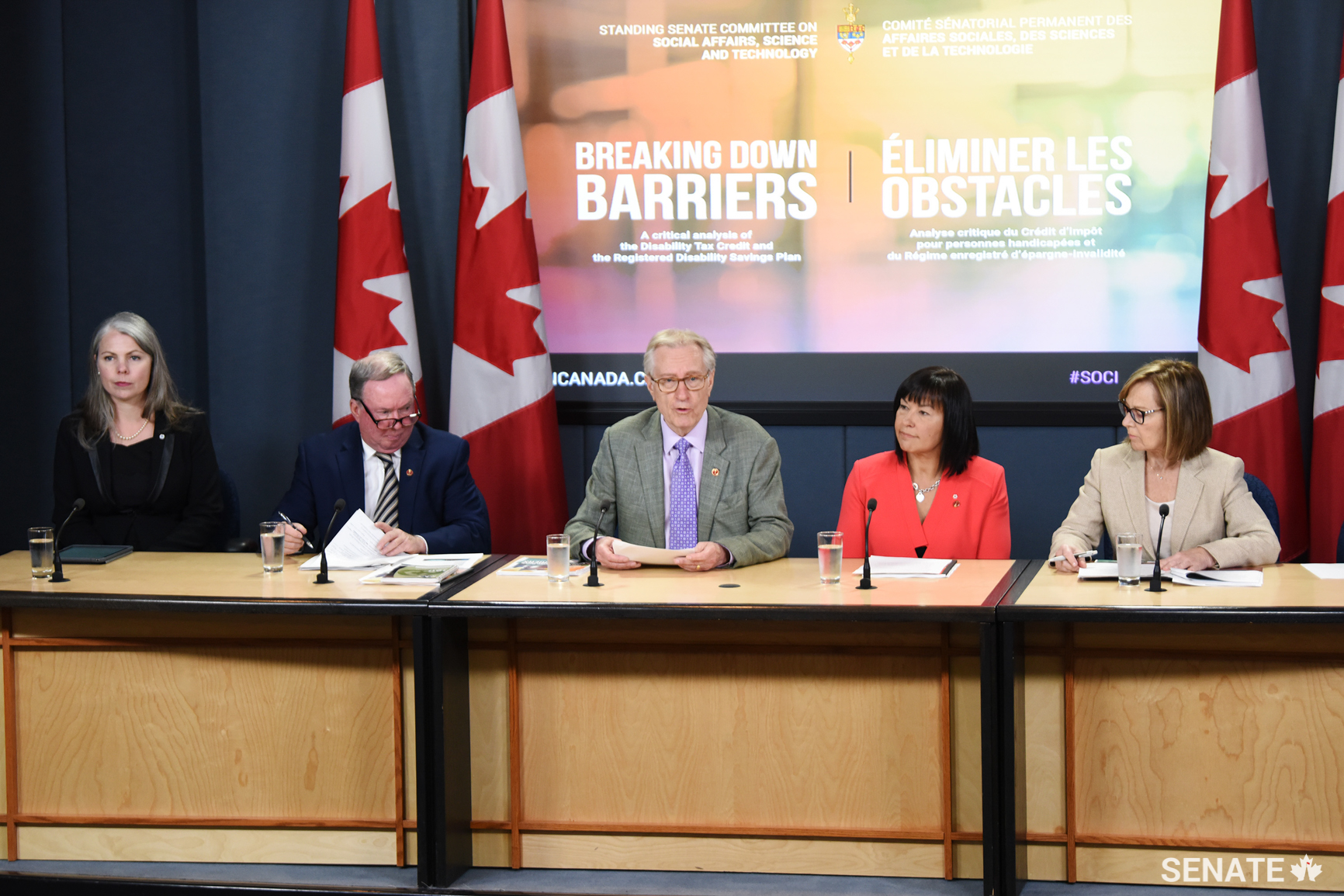
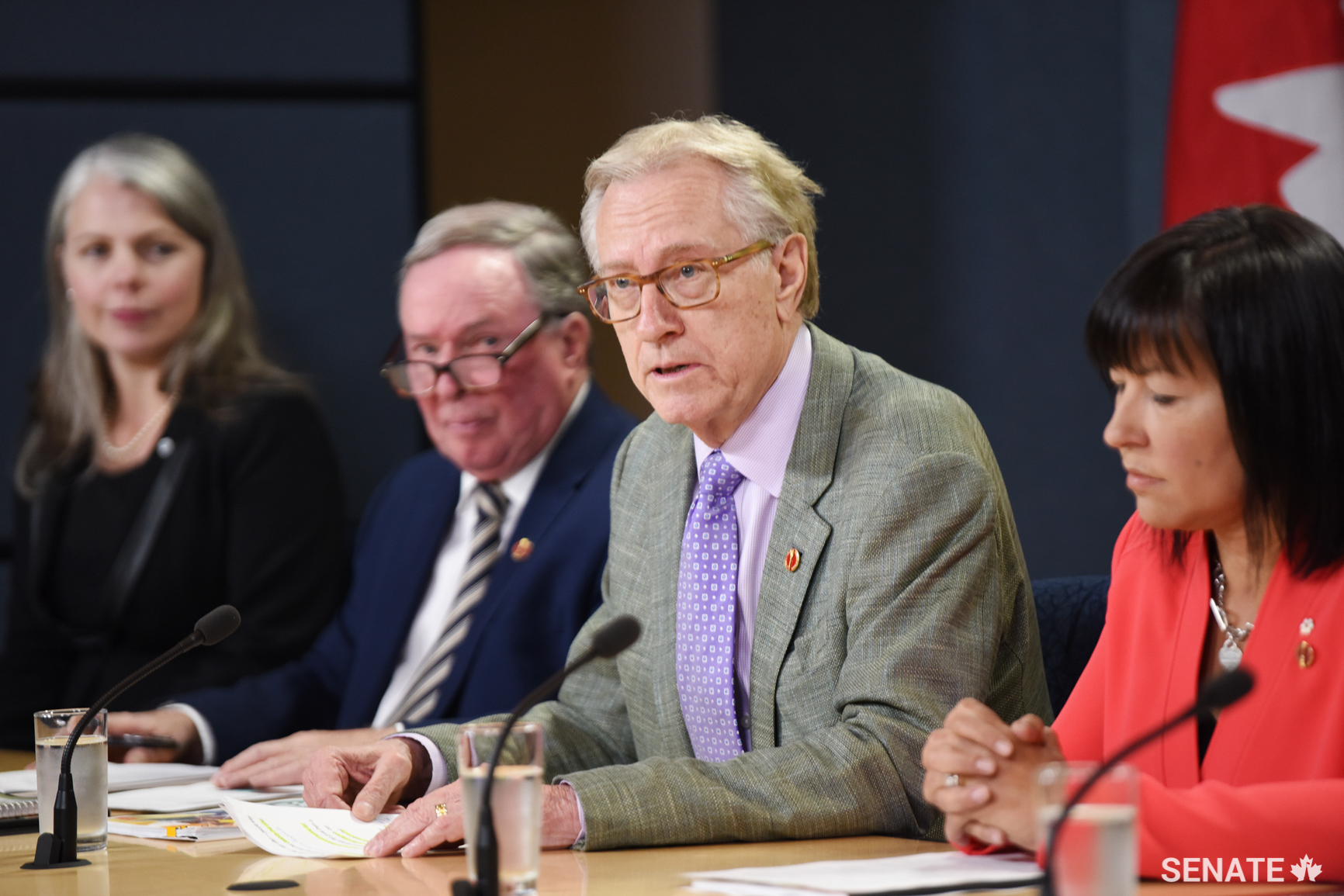
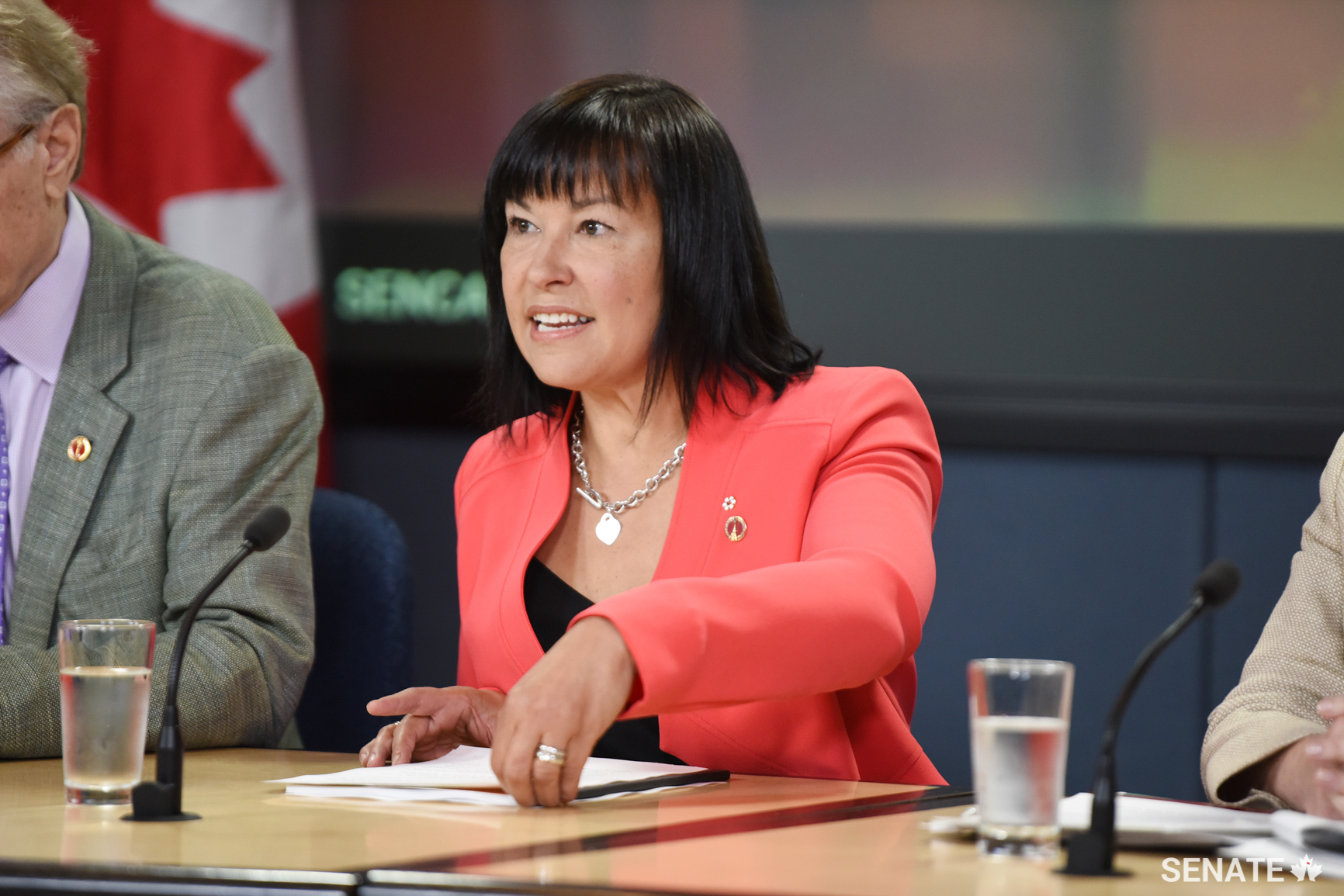
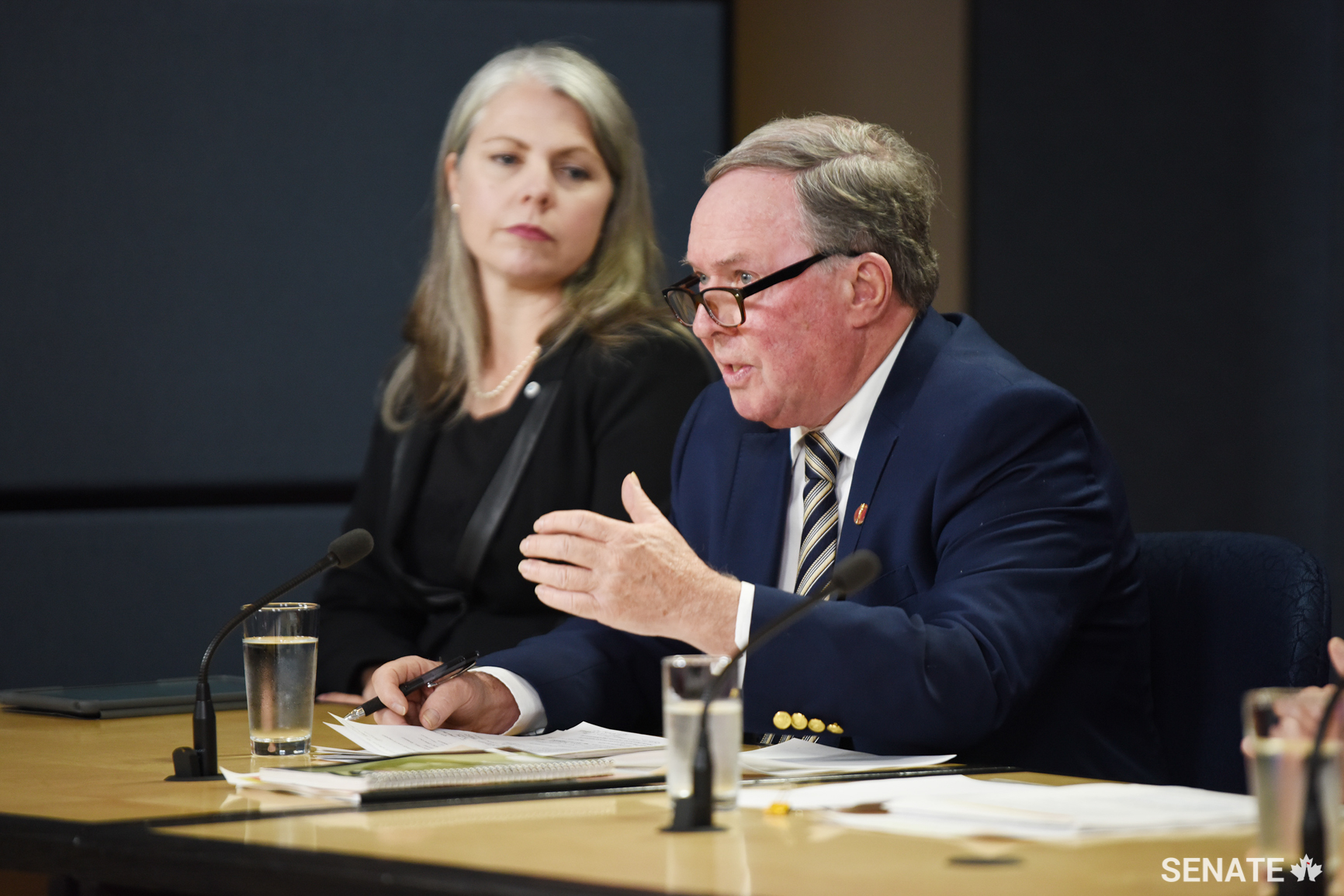
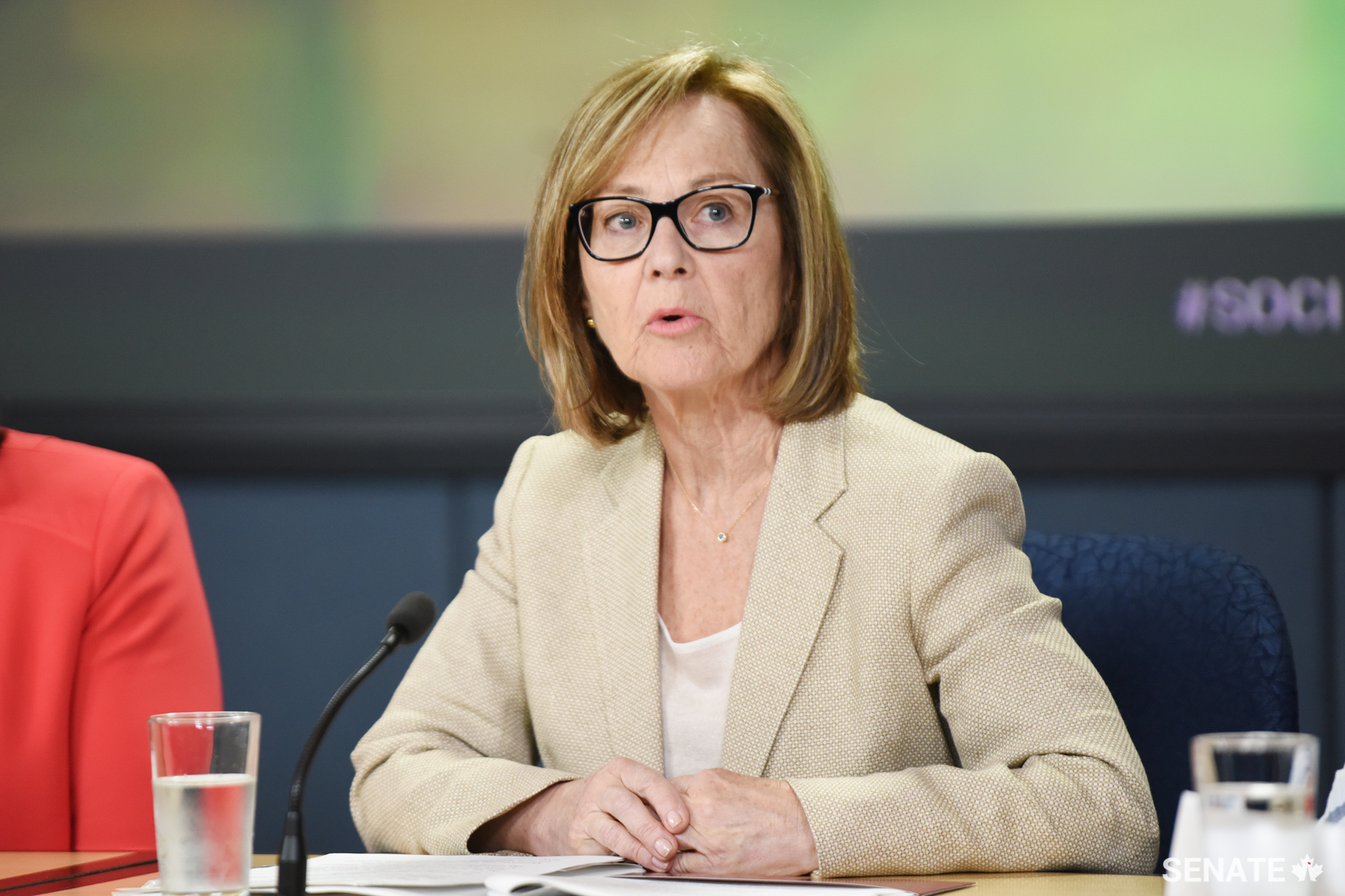
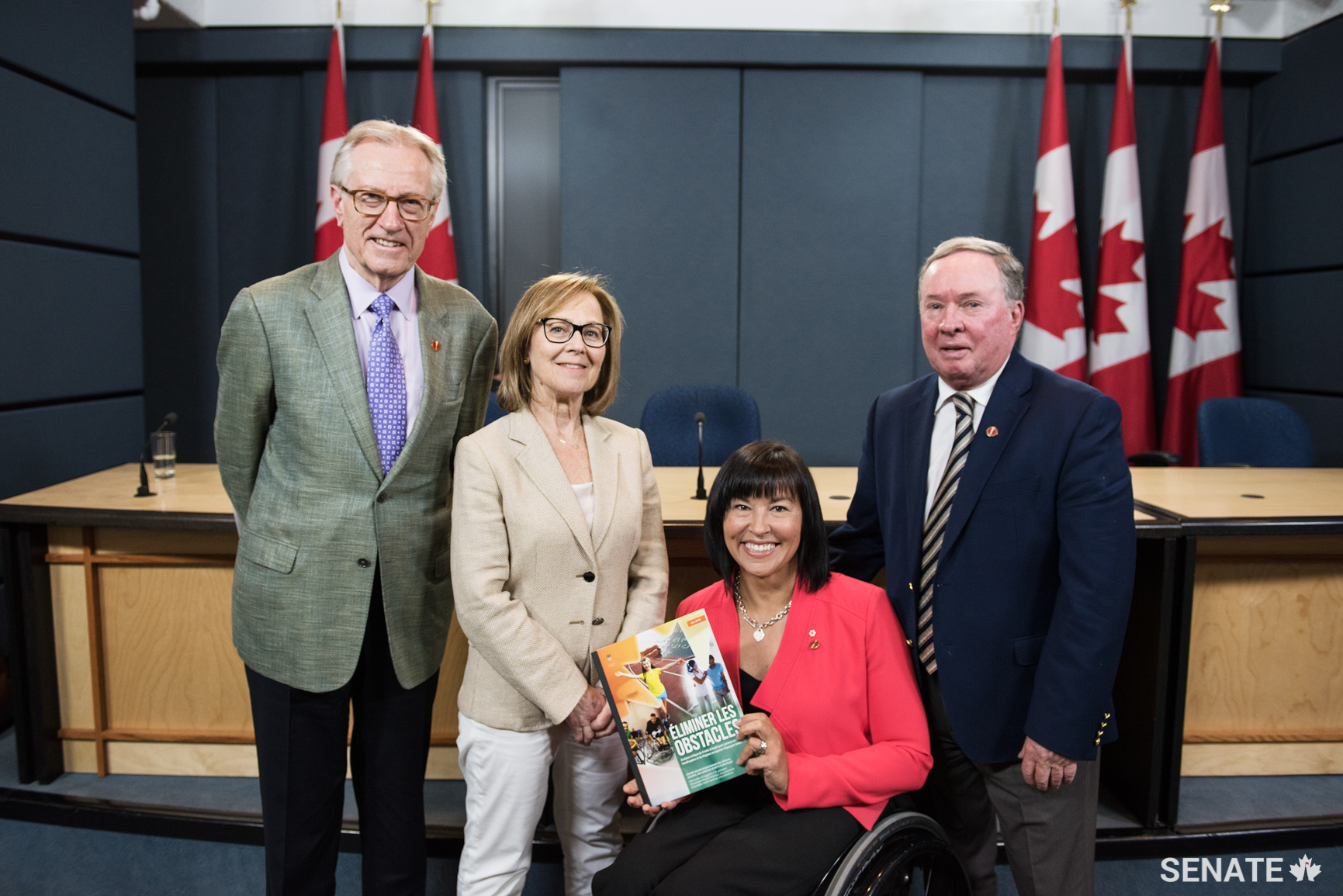
Senators Art Eggleton, P.C. (committee chair), Chantal Petitclerc (committee deputy chair), Judith Seidman (committee deputy chair), Jim Munson (member of the committee) and Kimberley Hanson, Director of Federal Affairs, Diabetes Canada discuss the Committee on Social Affairs, Science and Technology’s report at a press conference in Ottawa on Wednesday, June 27, 2018.
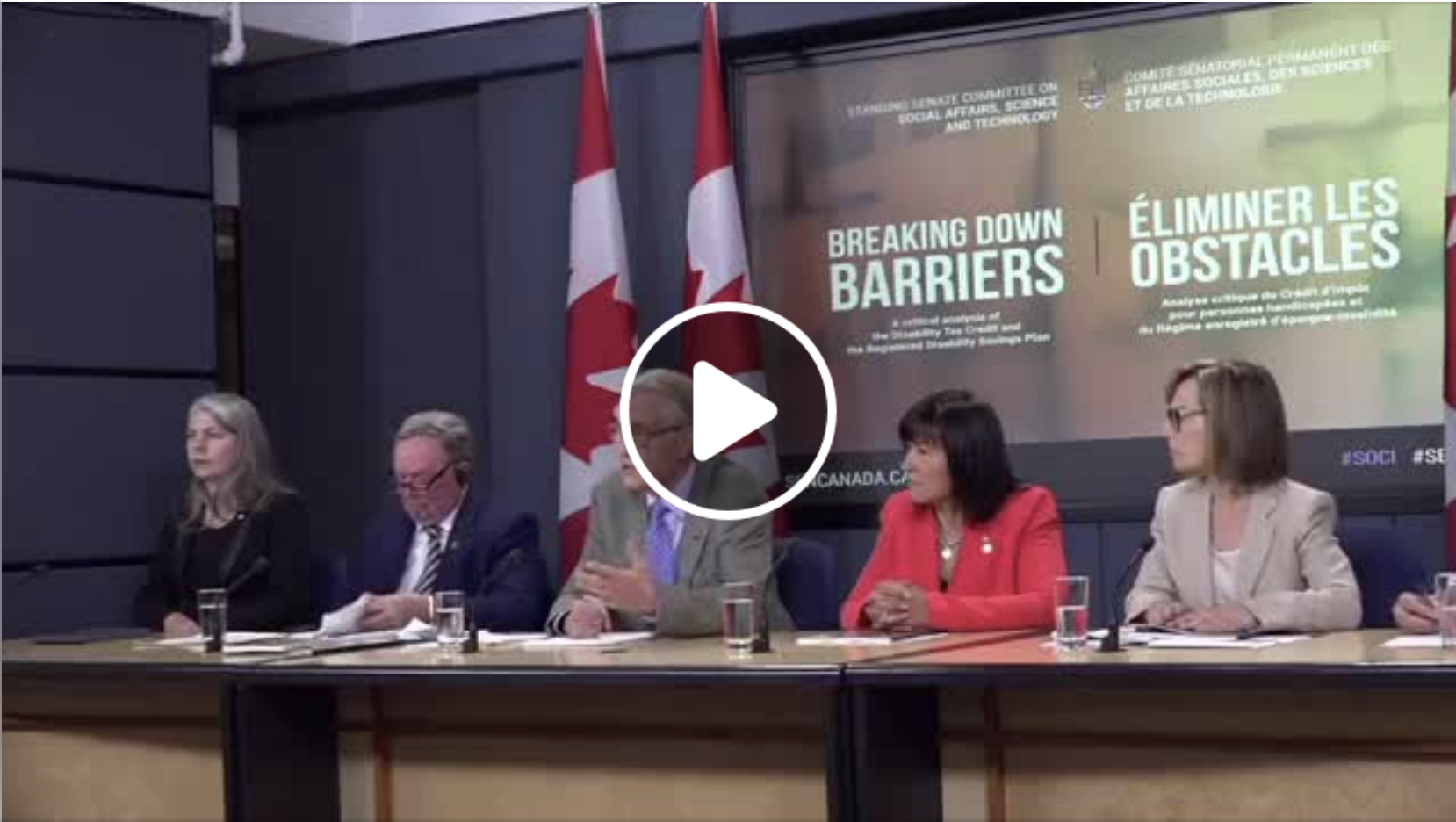
Click to view the video of the press conference on social media.
The video is currently available in the languages of delivery during the live stream.
Senators who participated in this study

Art Eggleton, P.C.
Lib. - Ontario (Toronto)

Chantal Petitclerc
ISG - Quebec (Grandville)

Judith G. Seidman
C - Quebec (De la Durantaye)

Jim Munson
PSG - Ontario (Ottawa / Rideau Canal)

Wanda Thomas Bernard
PSG - Nova Scotia (East Preston)

Fabian Manning
C - Newfoundland and Labrador

Marie-Françoise Mégie
ISG - Quebec (Rougemont)

Ratna Omidvar
ISG - Ontario

Rose-May Poirier
C - New Brunswick (Saint-Louis-de-Kent)

Nancy Greene Raine
C - British Columbia (Thompson-Okanagan-Kootenay)
Ex officio members: The Honourable Senators:Peter Harder, P.C. (or Diane Bellemare, or Grant Mitchell), Larry Smith (or Yonah Martin), Yuen Pau Woo (or Raymonde Saint-Germain), Joseph Day (or Terry Mercer)
Other Senators who have participated from time to time in the study: The Honourable Senators Christmas, Griffin and Neufeld.