

‘I want to continue serving’: Senator Saint-Germain reflects on her Senate career
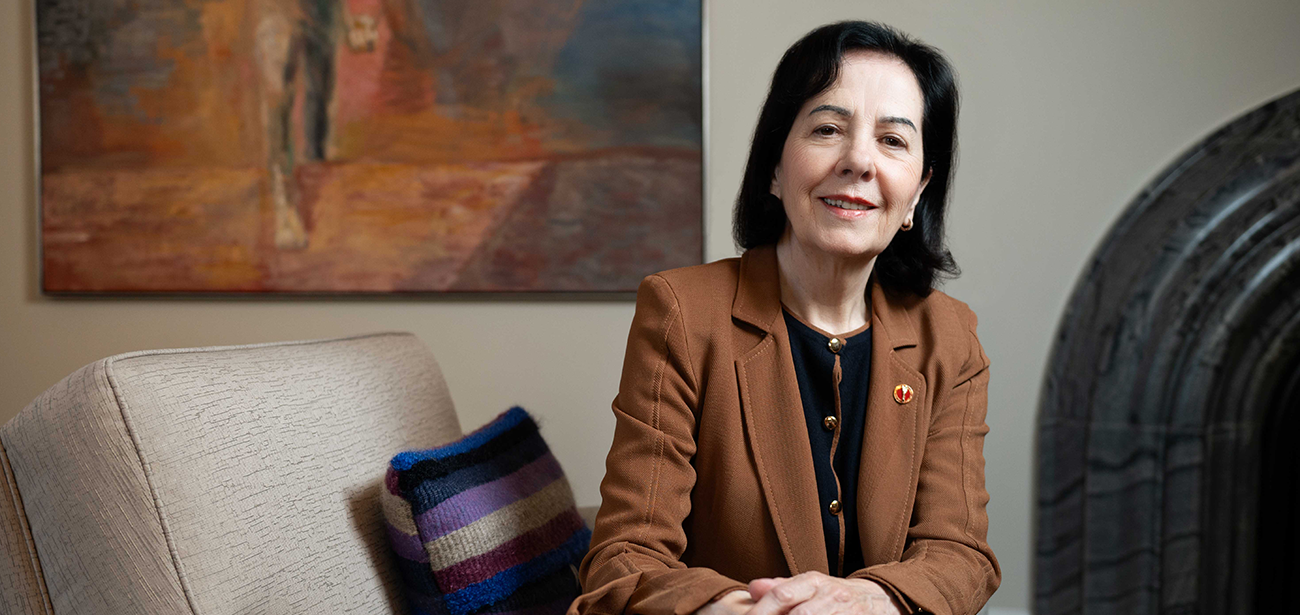
From the Quebec government to leadership roles in the Senate, Senator Raymonde Saint-Germain’s career in the public sector has spanned more than five decades.
The senator from the De La Vallière division of Quebec is now preparing for her retirement from the Red Chamber. However, she says that her commitment to public service is far from over.
Ahead of her retirement on October 7, 2026, she spoke with SenCAplus about her previous role as the facilitator of the Independent Senators Group, her work developing the Senate’s harassment prevention policy and the bills that have defined her career in the Upper Chamber.
You were appointed senator in 2016 following a long career as a senior public servant in the Government of Quebec, which includes serving as the Quebec ombudsperson for 10 years. What drew you to public service?
I was hired after graduating from university in 1973, and I fell in love with public service. I’ve not lost that passion.
I was in the public service for 32 years, where I served in various departments, including Health and Social Services, Agriculture, Fisheries and Food, International Relations, External Trade and Immigration. I loved every part of these roles and all these departments. I rose through the ranks and was appointed deputy minister and later Quebec ombudsperson, a role I truly enjoyed.
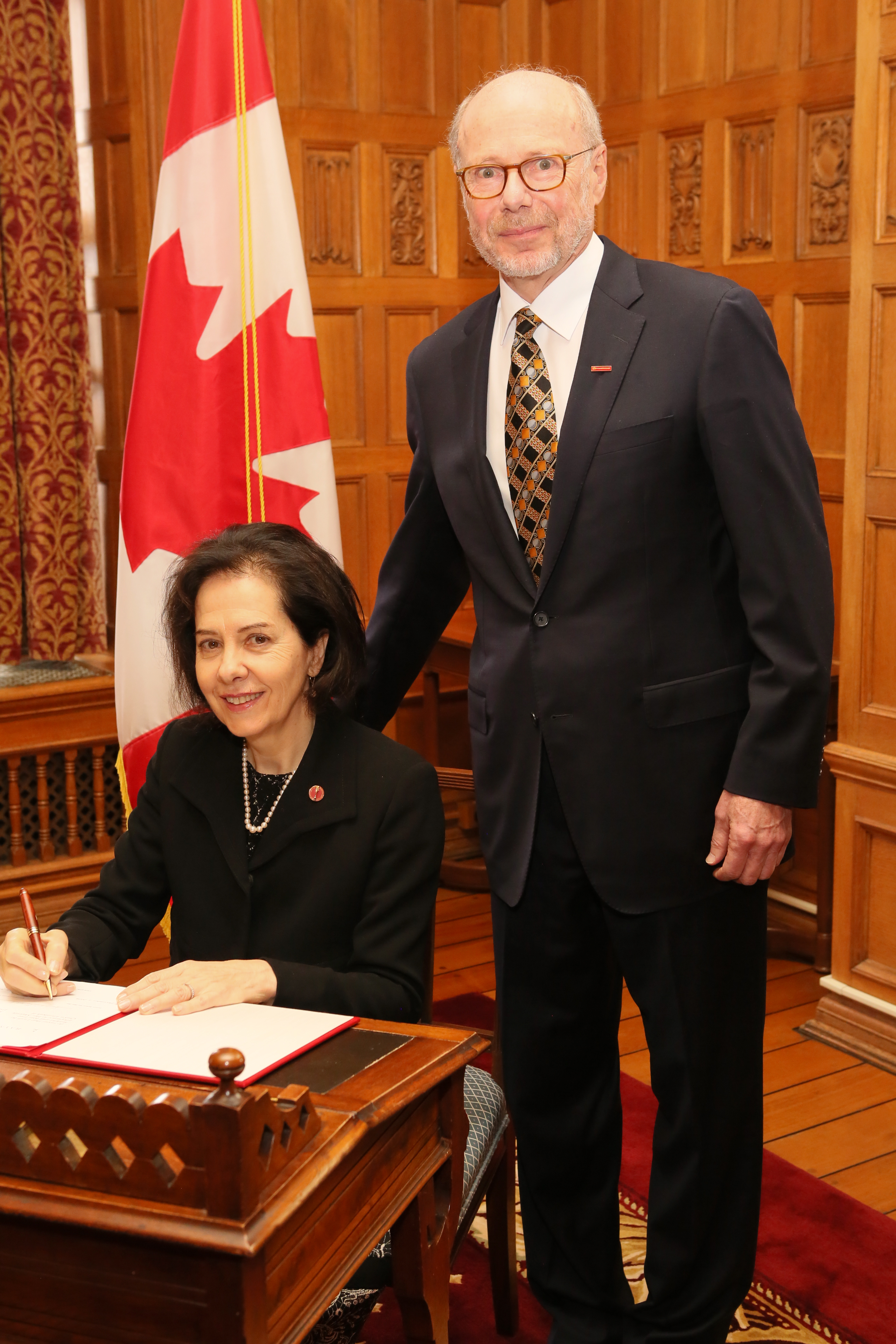 Senator Raymonde Saint-Germain with her husband, lawyer Pierre Laurin, on the day of her swearing-in ceremony in 2016.
When I was appointed senator, the Quebec National Assembly passed a unanimous motion to recognize my outstanding contribution and the level of excellence demonstrated during my two terms as ombudsperson. It was very touching.
What experience from your career in the public sector proved most valuable in the Senate?
All my previous roles helped me understand public interests, recognize expectations, and identify client needs and pragmatic solutions. This is a core public governance challenge, and the Senate faces it as well. The primary responsibility of senators is to review legislation.
As deputy minister, I was deeply involved in drafting legislation and regulations, and then as ombudsperson, I played a key role in overseeing their implementation.
For much of your Senate career, you served in leadership roles within the Independent Senators Group, first as deputy facilitator and then as facilitator. What did those roles teach you about the Upper Chamber?
These roles taught me that a well-functioning Senate relies on both interpersonal relationships and on the rules that govern its operations. At the leadership table for the five groups in the Senate, I saw the value of having a sound understanding of rules and procedures as well as cultivating trust, honouring commitments and seeking compromise. One of the lessons I learned from my time in Quebec’s public service is that institutions work more effectively when the people who serve them can work together, even when they have different points of view.
As a former chair of the Subcommittee on Human Resources, you helped implement the Senate’s harassment and violence prevention policy. Why was that work important to you, and how do you think it has changed the institution?
It was important because a high-level institution like the Senate must have a respectful, healthy and safe workplace. I believe this process played a part in strengthening the institution because, the policy aside, it facilitated a broader conversation on corporate culture and the importance of respect in workplace relationships and across the entire institution.
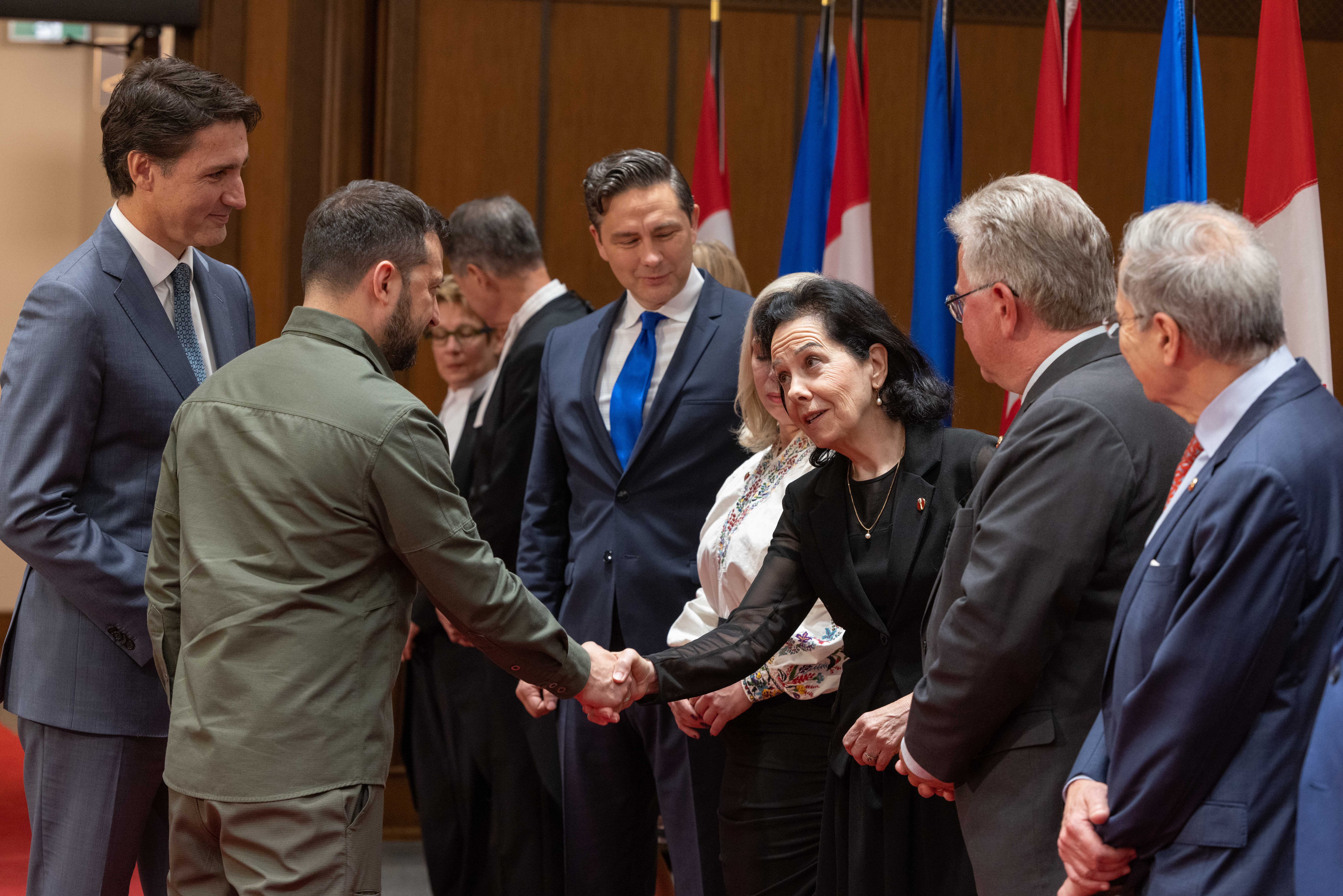 Senator Saint-Germain shakes hands with Volodymyr Zelenskyy, President of Ukraine, during his visit to the Parliament of Canada in Ottawa on September 22, 2023. (Photo credit: Office of Senator Raymonde Saint-Germain)
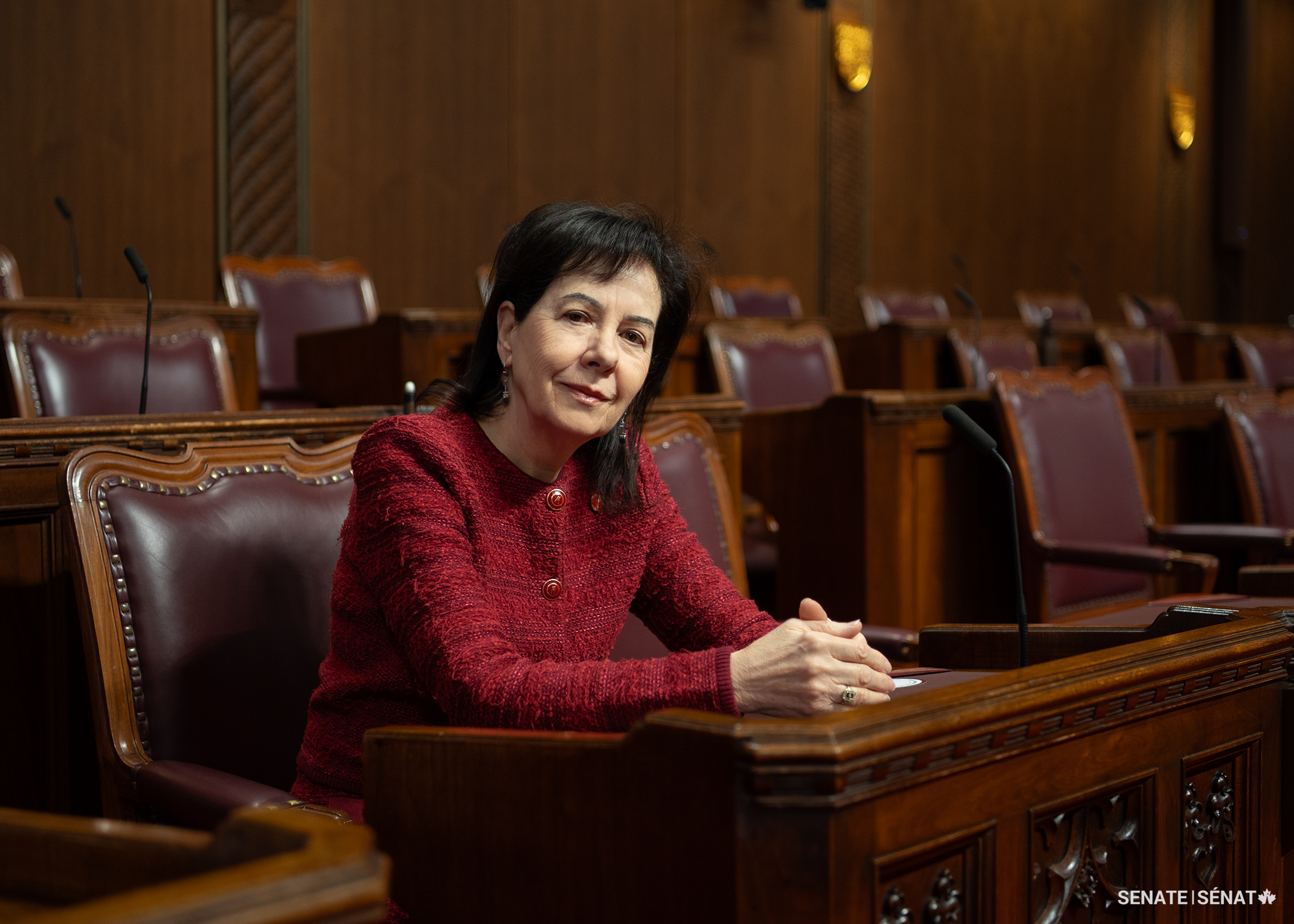 Senator Saint-Germain at her desk as leader of the Independent Senators Group in the Senate Chamber.
It was important to ensure that the policy would not infringe on parliamentary privilege. At the same time, parliamentary privilege does not give anyone the right to engage in harassment.
I think the policy is a constant reminder that power, position or personality differences can never justify certain behaviours toward colleagues and staff. This is a positive impact that will endure.
You have served on several other Senate committees. Is there a study or bill you’re especially proud to have helped advance?
I’m having a hard time deciding between two of them. The first one is Bill C-16, the Protecting Victims Act, including from domestic violence and coercive control, which was sponsored by Senator Manuelle Oudar. I think the study of this bill clearly illustrated the importance of the Senate’s role: taking the time to examine a bill’s real-world impacts and to hear from the individuals and organizations directly affected by it, who are often best placed to identify consequences that may not be apparent from merely reading the legislation.
The second contribution was work on Bill S-218, which may prevent the federal use of the notwithstanding clause. For me, this issue highlights two things: first, the Senate must review complex constitutional issues, and second, senators must represent their region of the country. I felt compelled to explain the context of Quebec, which has used this notwithstanding clause several times. This is perfectly constitutional.
For me, this was an important opportunity, as a senator from Quebec, to help colleagues from other provinces better understand Quebec’s unique perspective on the issue. Too often in Canada, a lack of awareness or understanding of regional realities has led to counterproductive conflicts that could have been avoided.
You also sponsored Bill C-47, which paved the way for Canada’s accession to the Arms Trade Treaty, an international agreement on the illicit trade of conventional arms. Why did that legislation matter to you, and what do you hope its legacy will be?
With 193 UN member states and nations, an international treaty necessarily involves compromise, and it goes without saying that securing the accession of so many countries entailed various concessions following lengthy negotiations. I really wanted Canada to finally accede to the treaty.
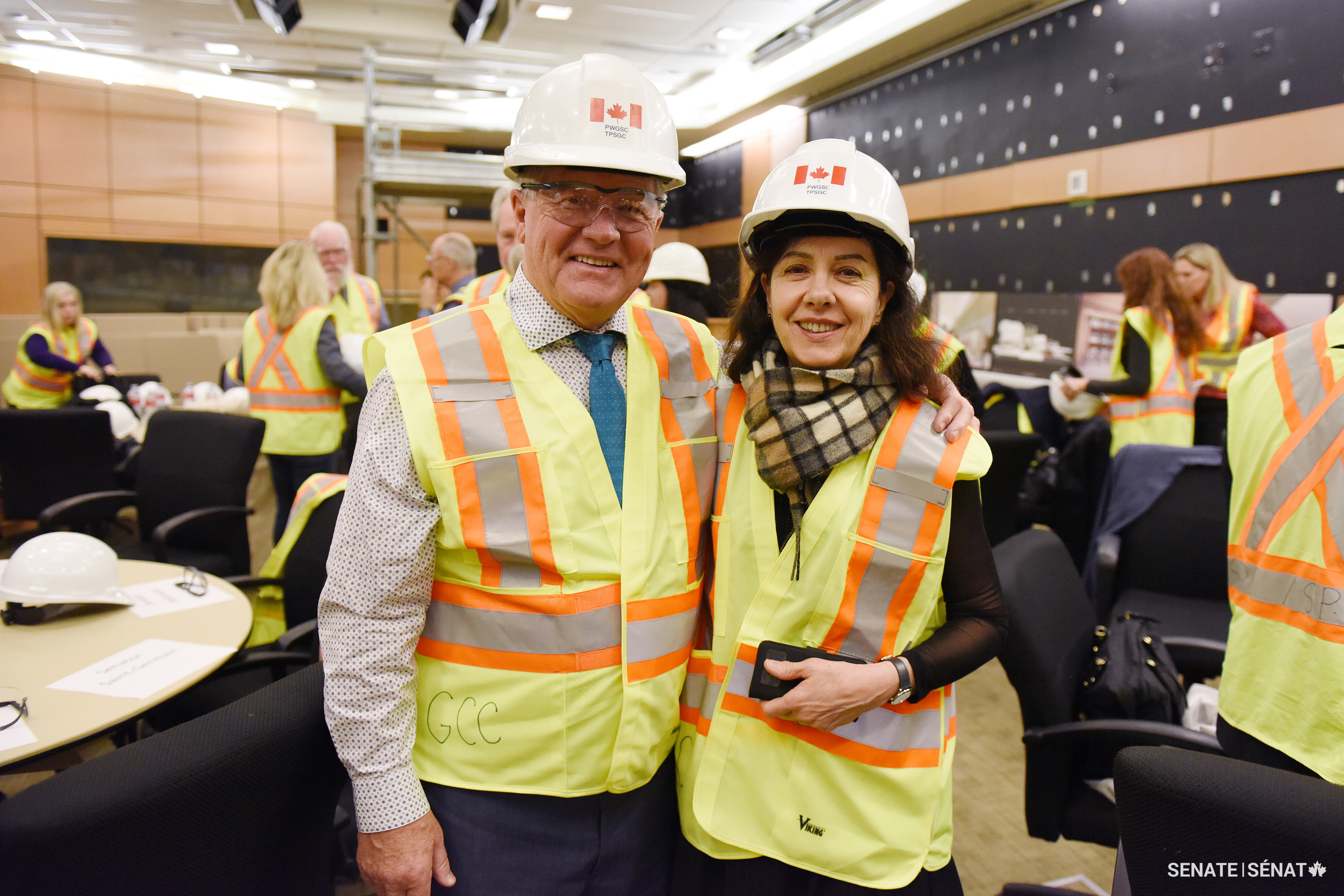 Senator Saint-Germain with the Honourable Don Plett, then a senator and opposition leader, visiting the Government Conference Centre, which was undergoing renovations to become the Senate of Canada Building in 2018.
The bill sparked a certain amount of controversy initially. Some senators felt that it did not do enough to ensure the arms trade complied with human rights standards. Others even wanted to challenge the basis of integrating our arms industry with that of the United States, since weapons parts move across the border.
I had to learn about this industry to explain the background of the bill and the expected benefits. Witnesses from various industries also did a good job articulating the proper balance between research, the arms trade and respect for human rights. In the end, the bill passed without amendment. The role of a bill’s sponsor is, above all, an educational one: helping colleagues fully understand the scope of the legislation and the impacts of its implementation.
Your colleagues chose you as “Senator of the Year” in the digital media outlet iPolitics’ 2024 Parliamentarians of the Year Awards. What did that recognition mean to you coming from your peers?
Obviously, I was deeply touched by this recognition in the Senate and the House of Commons because I have a great deal of respect for my colleagues. It caught me by surprise, seeing as I had even voted for someone else!
Throughout your career, you’ve devoted time to universities, charitable organizations and professional associations alongside your public service roles. Why has it been important to you to contribute to those sectors?
I think it’s important to contribute outside of one’s organization and to find time to step outside one’s bubble. It’s also important to be in tune with what is happening on the ground.
My work in universities is intended to give students a clear understanding of how to put theory into practice. While working with charitable organizations, I was impressed by their ability to make the most of donations through astute management. Their contributions often go unnoticed.
Looking back to your first day as a public servant, what advice would you share with your younger self?
My piece of advice would be to first clearly understand what is expected of her, then to invest herself in her work with professionalism and integrity in order to make a meaningful contribution. Above all, I would encourage her to believe in herself because if she does those things, the rest will fall into place.
What are you planning to do next?
I want to continue serving in one way or another. I’ve had the privilege of taking on diverse and complex mandates in Quebec, across Canada and internationally and seeing them through successfully.
I also love diving fully into everything I do. I’m in excellent health, and so I am confident about the future.
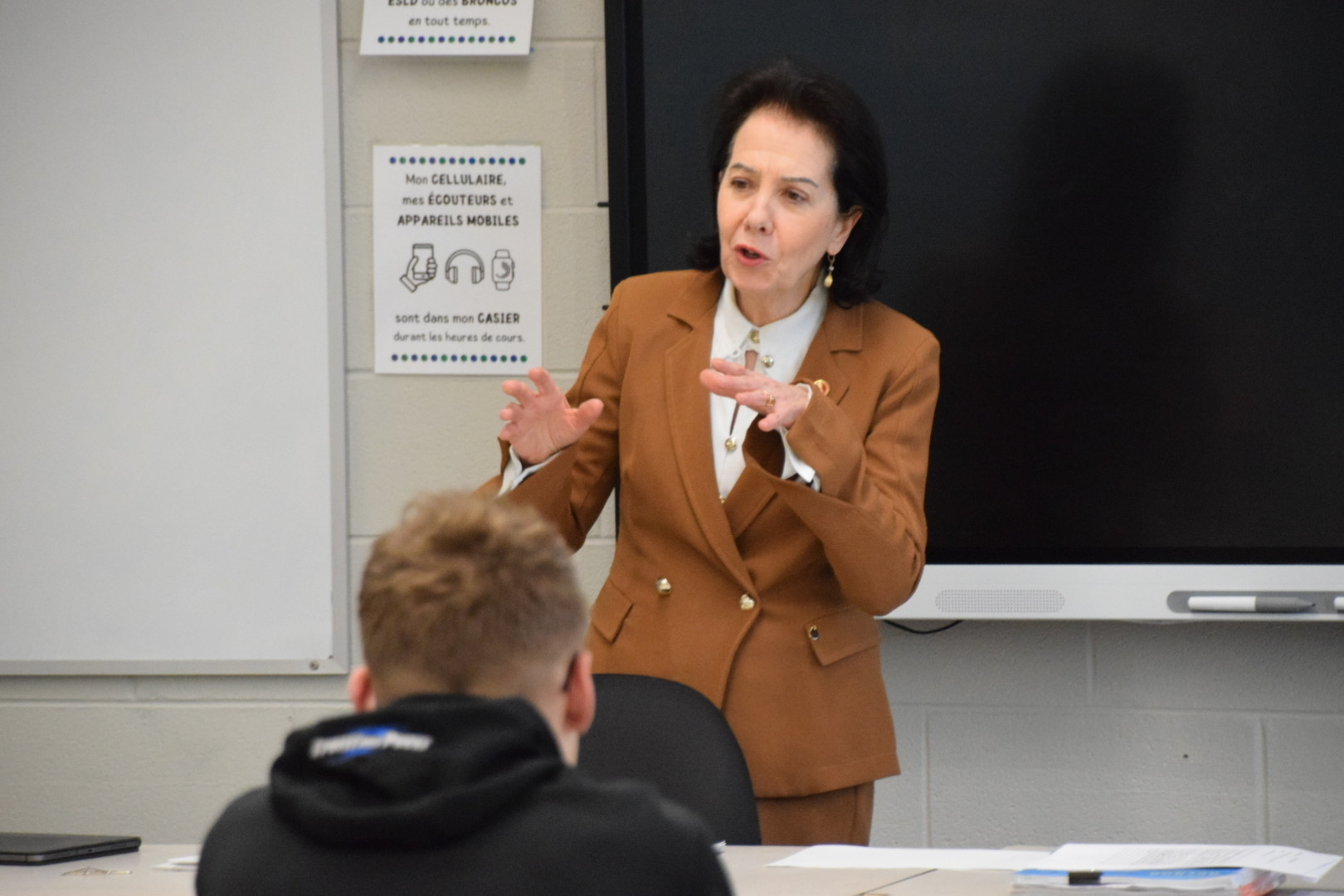 Senator Saint-Germain visits a school in Saint-Léonard-d’Aston, Quebec, to talk about Canada’s democratic institutions. (Photo credit: Jocelyn Boucher)
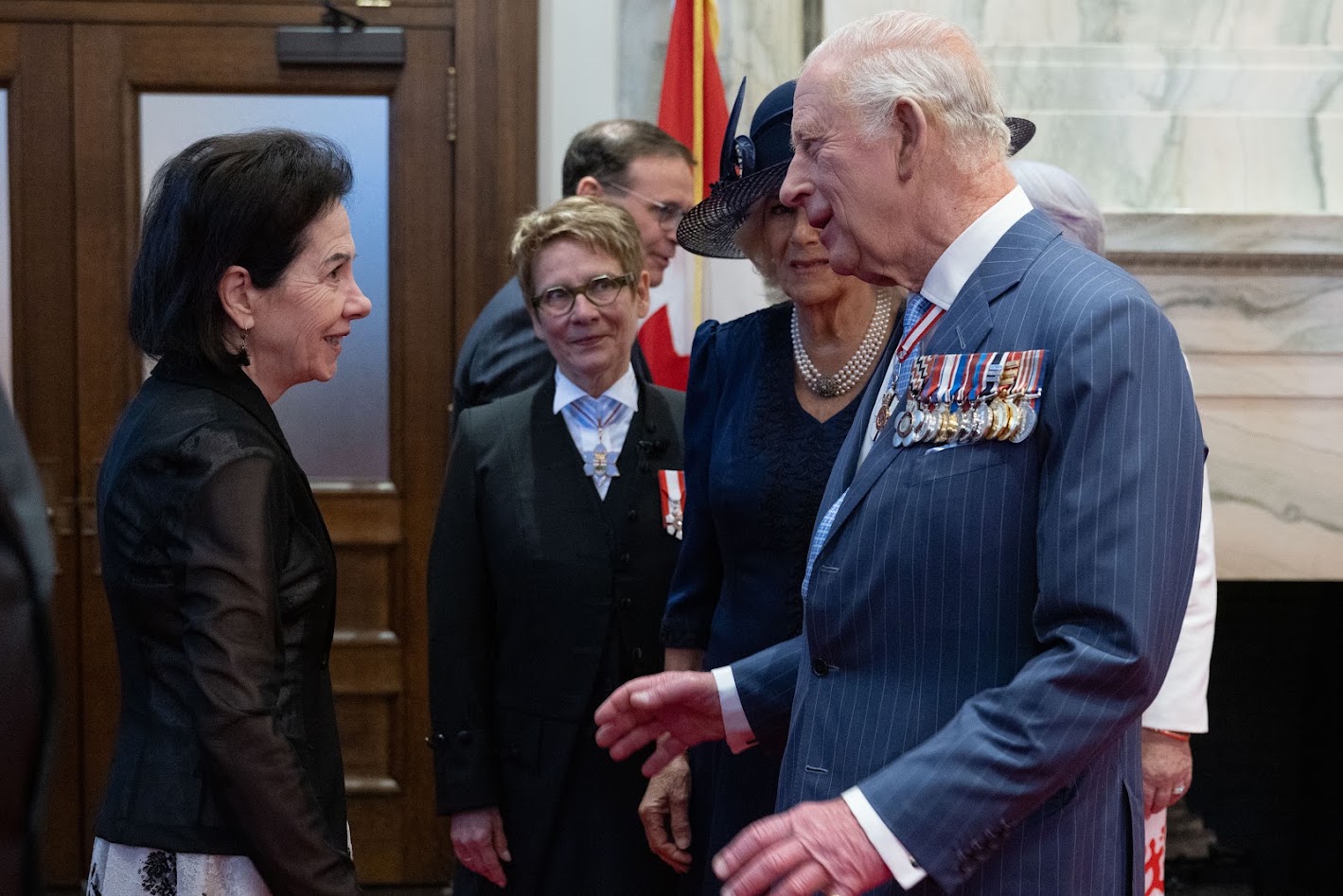 Senator Saint-Germain meets King Charles III and Queen Camilla during their visit to the Senate of Canada Building in May 2025. Speaker of the Senate Raymonde Gagné is also pictured.
Related articles
Tags
Committee news
‘I want to continue serving’: Senator Saint-Germain reflects on her Senate career
From the Quebec government to leadership roles in the Senate, Senator Raymonde Saint-Germain’s career in the public sector has spanned more than five decades.
The senator from the De La Vallière division of Quebec is now preparing for her retirement from the Red Chamber. However, she says that her commitment to public service is far from over.
Ahead of her retirement on October 7, 2026, she spoke with SenCAplus about her previous role as the facilitator of the Independent Senators Group, her work developing the Senate’s harassment prevention policy and the bills that have defined her career in the Upper Chamber.
You were appointed senator in 2016 following a long career as a senior public servant in the Government of Quebec, which includes serving as the Quebec ombudsperson for 10 years. What drew you to public service?
I was hired after graduating from university in 1973, and I fell in love with public service. I’ve not lost that passion.
I was in the public service for 32 years, where I served in various departments, including Health and Social Services, Agriculture, Fisheries and Food, International Relations, External Trade and Immigration. I loved every part of these roles and all these departments. I rose through the ranks and was appointed deputy minister and later Quebec ombudsperson, a role I truly enjoyed.
Senator Raymonde Saint-Germain with her husband, lawyer Pierre Laurin, on the day of her swearing-in ceremony in 2016.
When I was appointed senator, the Quebec National Assembly passed a unanimous motion to recognize my outstanding contribution and the level of excellence demonstrated during my two terms as ombudsperson. It was very touching.
What experience from your career in the public sector proved most valuable in the Senate?
All my previous roles helped me understand public interests, recognize expectations, and identify client needs and pragmatic solutions. This is a core public governance challenge, and the Senate faces it as well. The primary responsibility of senators is to review legislation.
As deputy minister, I was deeply involved in drafting legislation and regulations, and then as ombudsperson, I played a key role in overseeing their implementation.
For much of your Senate career, you served in leadership roles within the Independent Senators Group, first as deputy facilitator and then as facilitator. What did those roles teach you about the Upper Chamber?
These roles taught me that a well-functioning Senate relies on both interpersonal relationships and on the rules that govern its operations. At the leadership table for the five groups in the Senate, I saw the value of having a sound understanding of rules and procedures as well as cultivating trust, honouring commitments and seeking compromise. One of the lessons I learned from my time in Quebec’s public service is that institutions work more effectively when the people who serve them can work together, even when they have different points of view.
As a former chair of the Subcommittee on Human Resources, you helped implement the Senate’s harassment and violence prevention policy. Why was that work important to you, and how do you think it has changed the institution?
It was important because a high-level institution like the Senate must have a respectful, healthy and safe workplace. I believe this process played a part in strengthening the institution because, the policy aside, it facilitated a broader conversation on corporate culture and the importance of respect in workplace relationships and across the entire institution.
Senator Saint-Germain shakes hands with Volodymyr Zelenskyy, President of Ukraine, during his visit to the Parliament of Canada in Ottawa on September 22, 2023. (Photo credit: Office of Senator Raymonde Saint-Germain)
Senator Saint-Germain at her desk as leader of the Independent Senators Group in the Senate Chamber.
It was important to ensure that the policy would not infringe on parliamentary privilege. At the same time, parliamentary privilege does not give anyone the right to engage in harassment.
I think the policy is a constant reminder that power, position or personality differences can never justify certain behaviours toward colleagues and staff. This is a positive impact that will endure.
You have served on several other Senate committees. Is there a study or bill you’re especially proud to have helped advance?
I’m having a hard time deciding between two of them. The first one is Bill C-16, the Protecting Victims Act, including from domestic violence and coercive control, which was sponsored by Senator Manuelle Oudar. I think the study of this bill clearly illustrated the importance of the Senate’s role: taking the time to examine a bill’s real-world impacts and to hear from the individuals and organizations directly affected by it, who are often best placed to identify consequences that may not be apparent from merely reading the legislation.
The second contribution was work on Bill S-218, which may prevent the federal use of the notwithstanding clause. For me, this issue highlights two things: first, the Senate must review complex constitutional issues, and second, senators must represent their region of the country. I felt compelled to explain the context of Quebec, which has used this notwithstanding clause several times. This is perfectly constitutional.
For me, this was an important opportunity, as a senator from Quebec, to help colleagues from other provinces better understand Quebec’s unique perspective on the issue. Too often in Canada, a lack of awareness or understanding of regional realities has led to counterproductive conflicts that could have been avoided.
You also sponsored Bill C-47, which paved the way for Canada’s accession to the Arms Trade Treaty, an international agreement on the illicit trade of conventional arms. Why did that legislation matter to you, and what do you hope its legacy will be?
With 193 UN member states and nations, an international treaty necessarily involves compromise, and it goes without saying that securing the accession of so many countries entailed various concessions following lengthy negotiations. I really wanted Canada to finally accede to the treaty.
Senator Saint-Germain with the Honourable Don Plett, then a senator and opposition leader, visiting the Government Conference Centre, which was undergoing renovations to become the Senate of Canada Building in 2018.
The bill sparked a certain amount of controversy initially. Some senators felt that it did not do enough to ensure the arms trade complied with human rights standards. Others even wanted to challenge the basis of integrating our arms industry with that of the United States, since weapons parts move across the border.
I had to learn about this industry to explain the background of the bill and the expected benefits. Witnesses from various industries also did a good job articulating the proper balance between research, the arms trade and respect for human rights. In the end, the bill passed without amendment. The role of a bill’s sponsor is, above all, an educational one: helping colleagues fully understand the scope of the legislation and the impacts of its implementation.
Your colleagues chose you as “Senator of the Year” in the digital media outlet iPolitics’ 2024 Parliamentarians of the Year Awards. What did that recognition mean to you coming from your peers?
Obviously, I was deeply touched by this recognition in the Senate and the House of Commons because I have a great deal of respect for my colleagues. It caught me by surprise, seeing as I had even voted for someone else!
Throughout your career, you’ve devoted time to universities, charitable organizations and professional associations alongside your public service roles. Why has it been important to you to contribute to those sectors?
I think it’s important to contribute outside of one’s organization and to find time to step outside one’s bubble. It’s also important to be in tune with what is happening on the ground.
My work in universities is intended to give students a clear understanding of how to put theory into practice. While working with charitable organizations, I was impressed by their ability to make the most of donations through astute management. Their contributions often go unnoticed.
Looking back to your first day as a public servant, what advice would you share with your younger self?
My piece of advice would be to first clearly understand what is expected of her, then to invest herself in her work with professionalism and integrity in order to make a meaningful contribution. Above all, I would encourage her to believe in herself because if she does those things, the rest will fall into place.
What are you planning to do next?
I want to continue serving in one way or another. I’ve had the privilege of taking on diverse and complex mandates in Quebec, across Canada and internationally and seeing them through successfully.
I also love diving fully into everything I do. I’m in excellent health, and so I am confident about the future.
Senator Saint-Germain visits a school in Saint-Léonard-d’Aston, Quebec, to talk about Canada’s democratic institutions. (Photo credit: Jocelyn Boucher)
Senator Saint-Germain meets King Charles III and Queen Camilla during their visit to the Senate of Canada Building in May 2025. Speaker of the Senate Raymonde Gagné is also pictured.