

Meet the participants of Voices of Youth Indigenous Leaders 2026
Eight youth from First Nations, Inuit and Métis communities across the country have been selected for this year’s Voices of Youth Indigenous Leaders at the Senate from October 27 to 28, 2026.
The annual program invites remarkable Indigenous youth to Ottawa to testify before the Senate Committee on Indigenous Peoples and attend networking events.
Keep scrolling to learn more about this year’s participants and the incredible work they are doing for their communities.
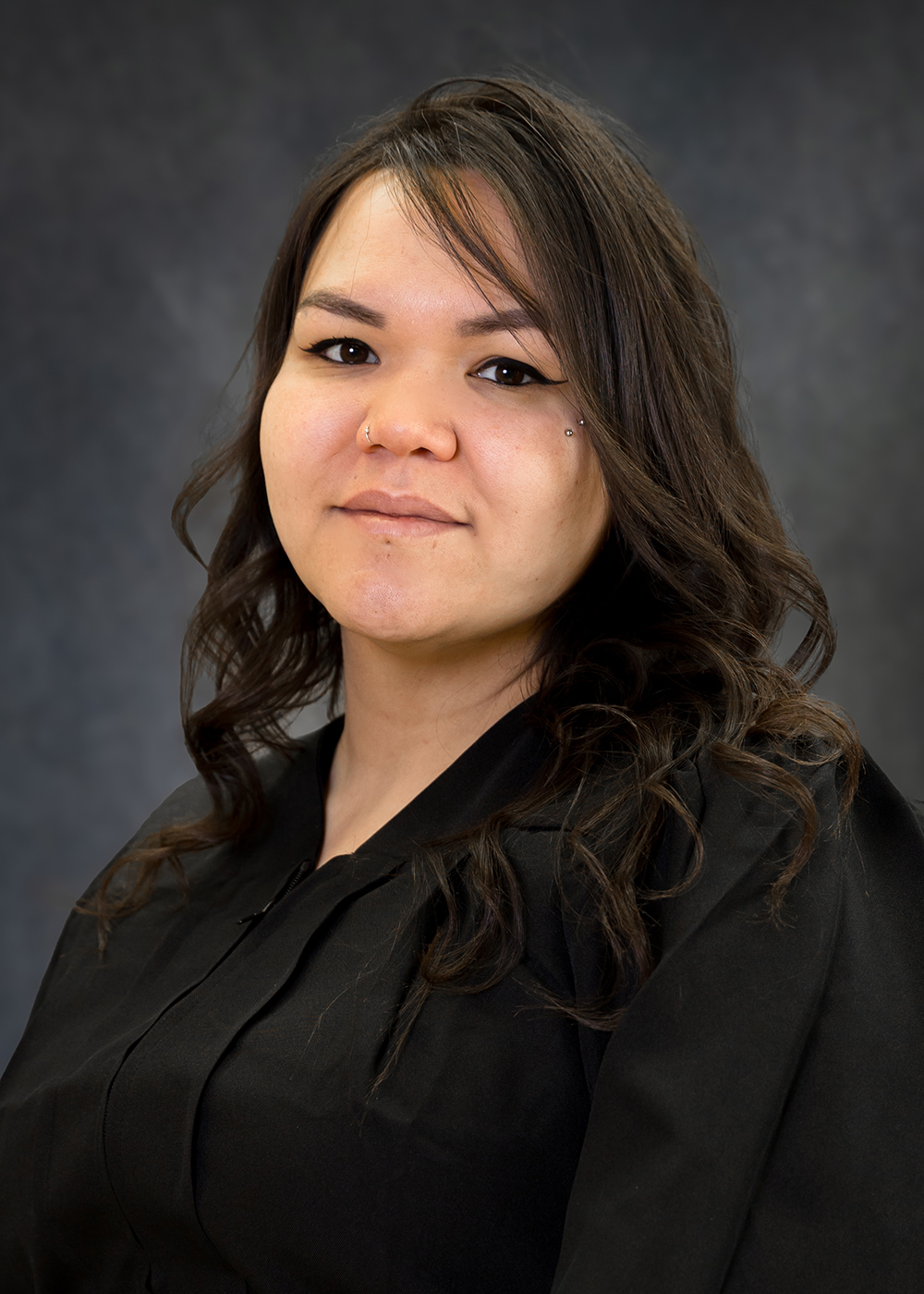 Jaylene Neisa Delorme (Northwest Territories)
Jaylene Neisa Delorme is a member of the Yellowknives Dene First Nation from Hay River, Northwest Territories, and founder of Dënegóth Nají, a grassroots initiative dedicated to helping individuals and families navigate health care systems, government programs, educational opportunities and community resources. Through this work, she has seen firsthand that one of the greatest barriers facing Indigenous youth is not a lack of resilience or potential, but a lack of accessible support and guidance. She says that many Indigenous youth are already demonstrating leadership in their communities, but they need to be included in decisions that affect their futures.
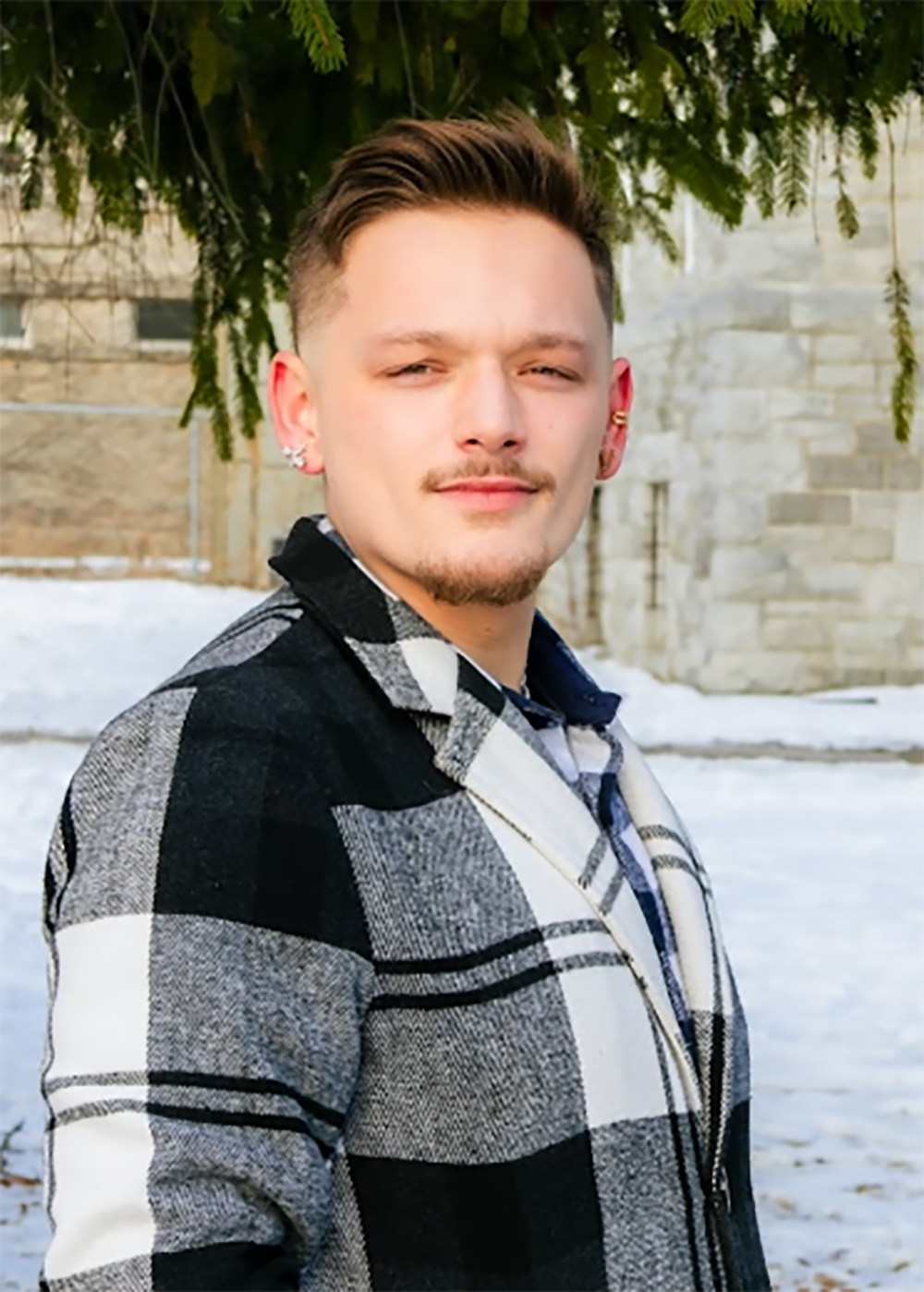 Dreyden George (British Columbia)
Dreyden George, from T’Sou-ke First Nation on Vancouver Island, is the first Indigenous student to be elected president of Queen’s University’s student government. He also serves as chair and president of the DAXET Development Corporation, which identifies and manages economic development opportunities in T’Sou-ke First Nation, and as chair of the community’s Lands Advisory Board, which oversees issues regarding land development. He wants to develop systems, businesses and activities within the community that allow youth to develop leadership skills.
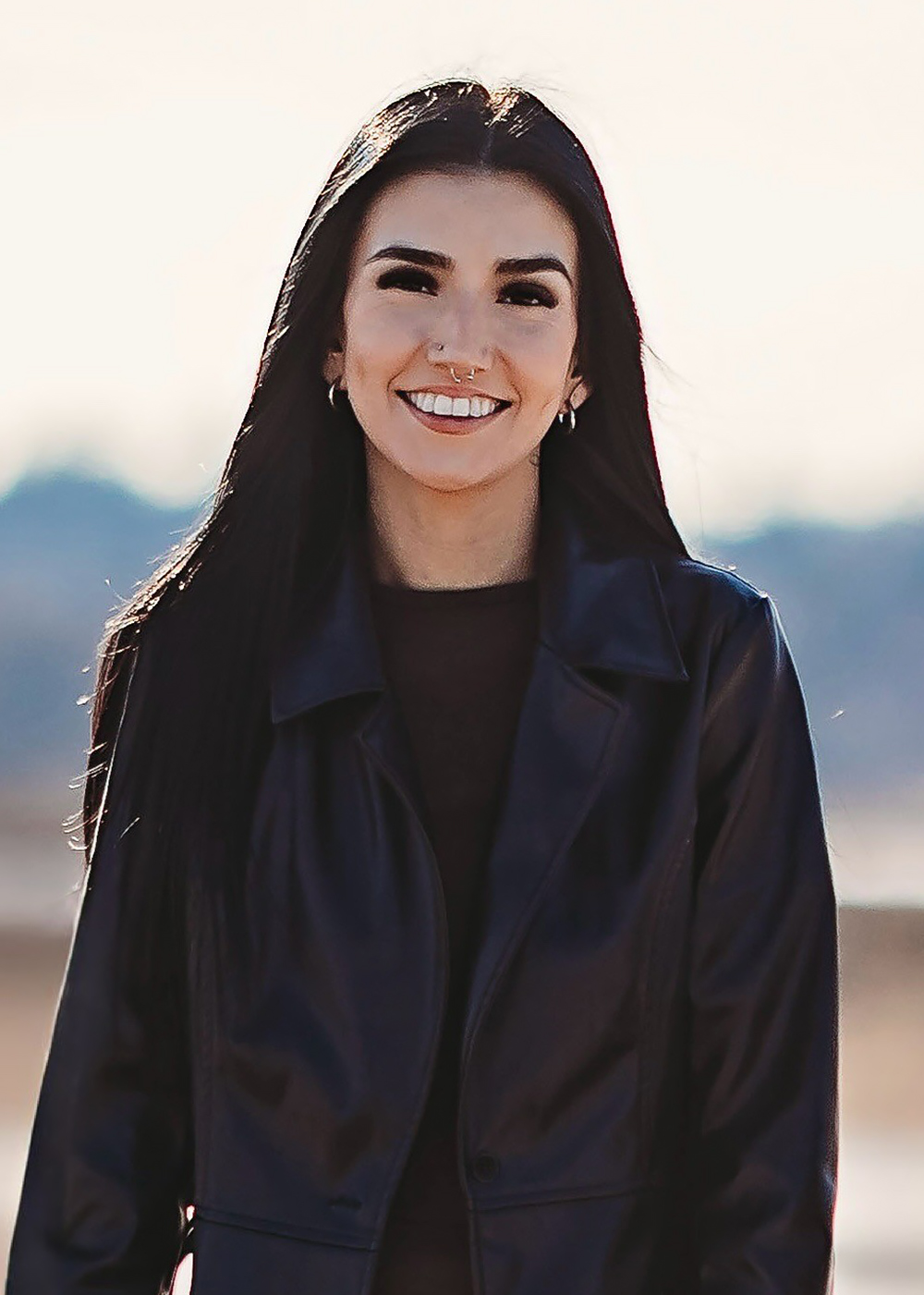 Chantal Kyplain (Saskatchewan) (Photo credit: Abigail Burden)
Chantal Kyplain (Saskatchewan)
A Métis woman and single mother in long-term recovery, Chantal Kyplain says her leadership journey has been about showing up for her community, creating space for others and using her lived experience to help others feel seen. In her role at the Saskatoon Indian & Métis Friendship Centre, she helps support programs, events and initiatives that serve Indigenous community members. A published poet and public speaker, she has also facilitated workshops focused on creative expression, wellness and healing. Her vision for fostering youth leadership begins with helping young people recognize their own strengths.
 Trinity Lafford-Desmond (Nova Scotia)
An engineering student from Paqtnkek Mi’kmaw First Nation in Nova Scotia, Trinity Lafford-Desmond has developed leadership skills through her work with two community outreach programs at St. Francis Xavier University, X-Project and Connecting Math to Our Lives and Communities. She supports youth through STEM programming in Mi’kmaw and African Nova Scotian communities by facilitating community visits, workshops and summer camps that connect science, technology, engineering and mathematics to everyday life. She has also worked with a solar energy company to install and design systems for Indigenous communities across Nova Scotia. She hopes that, through sharing her own educational and career journey, she can inspire youth to pursue STEM pathways.
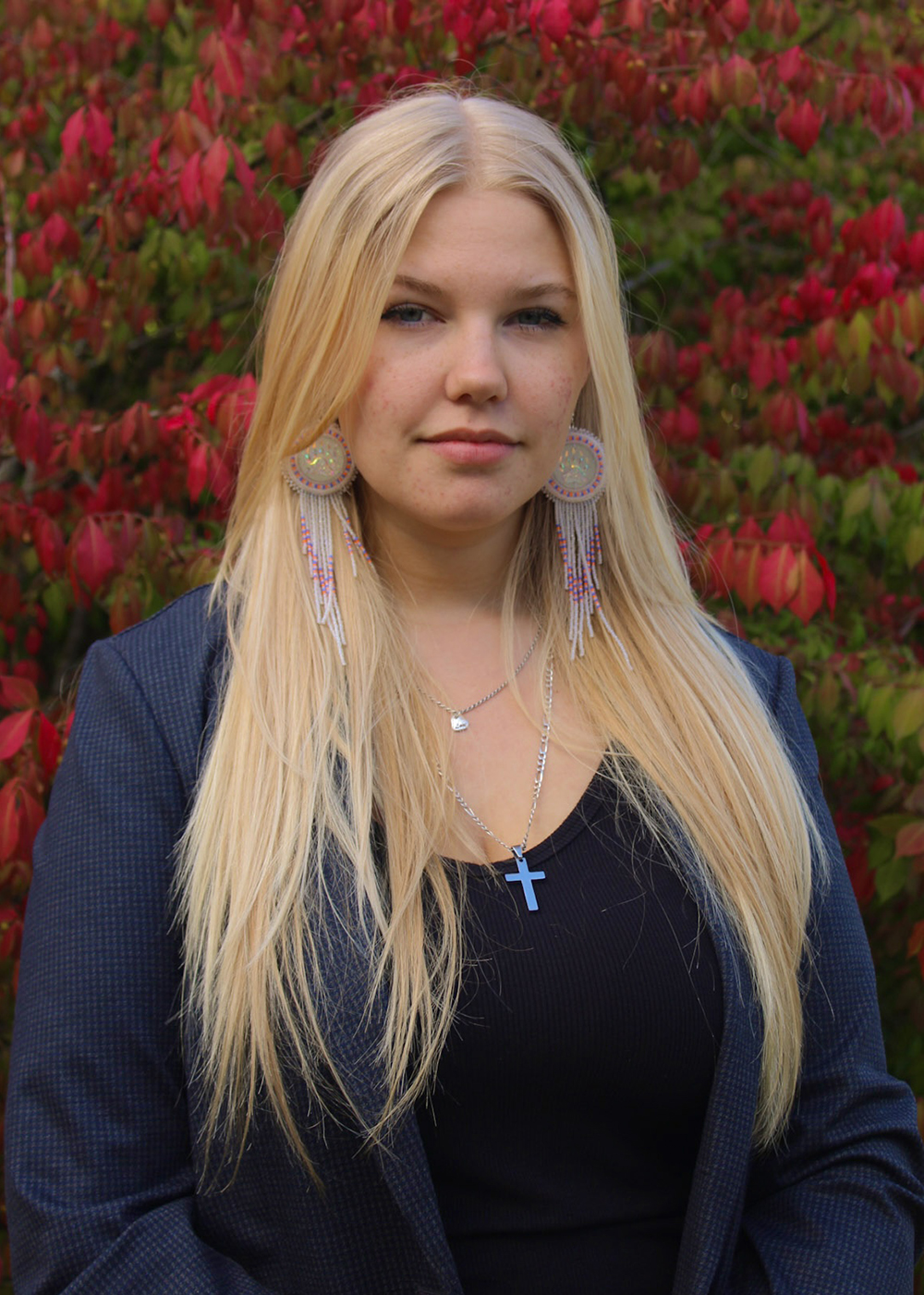 Kyra Lustig (New Brunswick)
A Red River Métis woman who’s now living in Fredericton, New Brunswick, Kyra Lustig advocates for Indigenous students at her university and works to uplift voices that often go unheard. She says she often experiences an “emotional tug-of-war” between longing for her home and feeling a responsibility to stand up for those who are part of the broader Indigenous community. She wants to inspire others who feel isolated or disconnected to embrace their stories and support each other, no matter their differences.
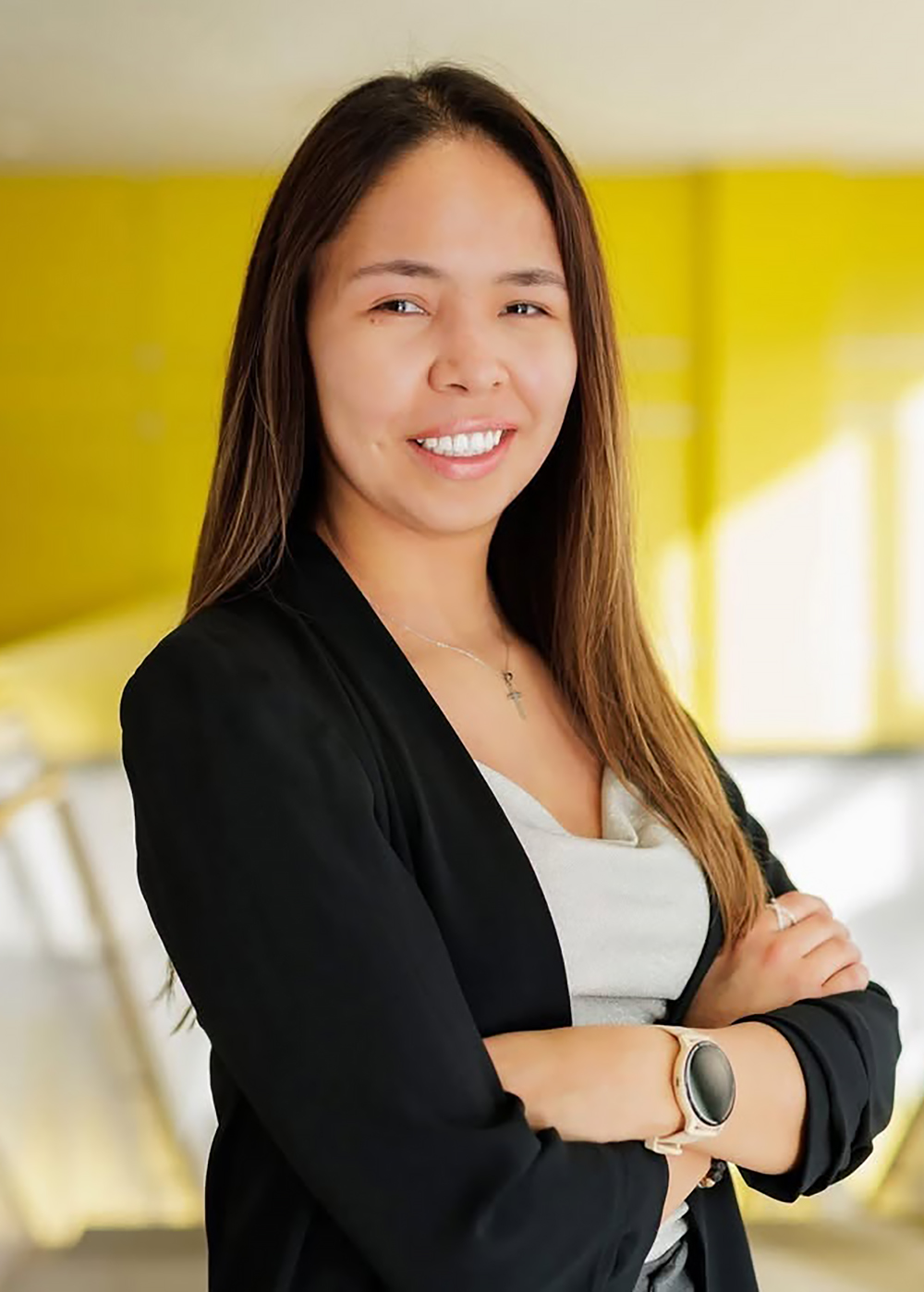 Makayla Mantla (Alberta)
Makayla Mantla is a Tł̨ıchǫ citizen from Behchokǫ̀ in Treaty 11, Northwest Territories, who recently graduated with an Honours Bachelor of Science in Nursing from the University of Alberta, becoming the first person in her family to earn a university degree. As part of her nursing education, she researched Indigenous-specific racism in Canadian health care, examining how colonial systems continue to affect Indigenous patients. She was also elected Director of Indigenous Health and Advocacy for the Canadian Nursing Students’ Association, where she advocated for Indigenous nursing students and culturally safe health care. Through her work as a nursing student, and now a nurse in rural Alberta, she says she has seen how Indigenous patients often feel more comfortable when they are cared for by someone who understands their experiences.
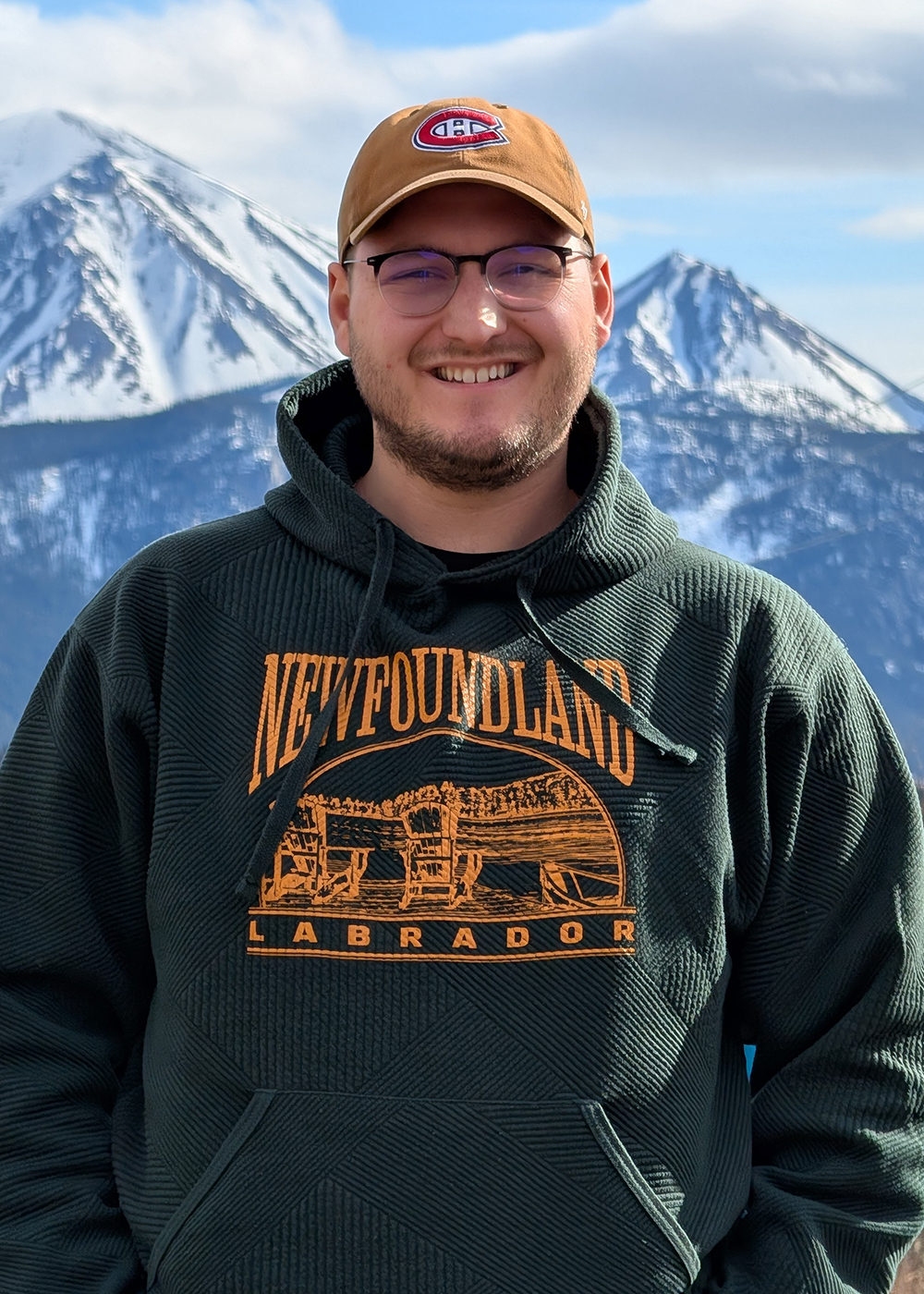 Noah Pépin-Papigatuk (Quebec)
From the small Nunavik community of Salluit, in northern Quebec, Noah Pépin-Papigatuk is a young Inuit leader who wants to see more leadership opportunities for Indigenous youth. He believes that if Indigenous youth are encouraged to participate in outings on their land and take part in day camps such as Qaulirmat and Nurrait Jeunes Karibus, it could help prevent drug and alcohol addiction among young people.
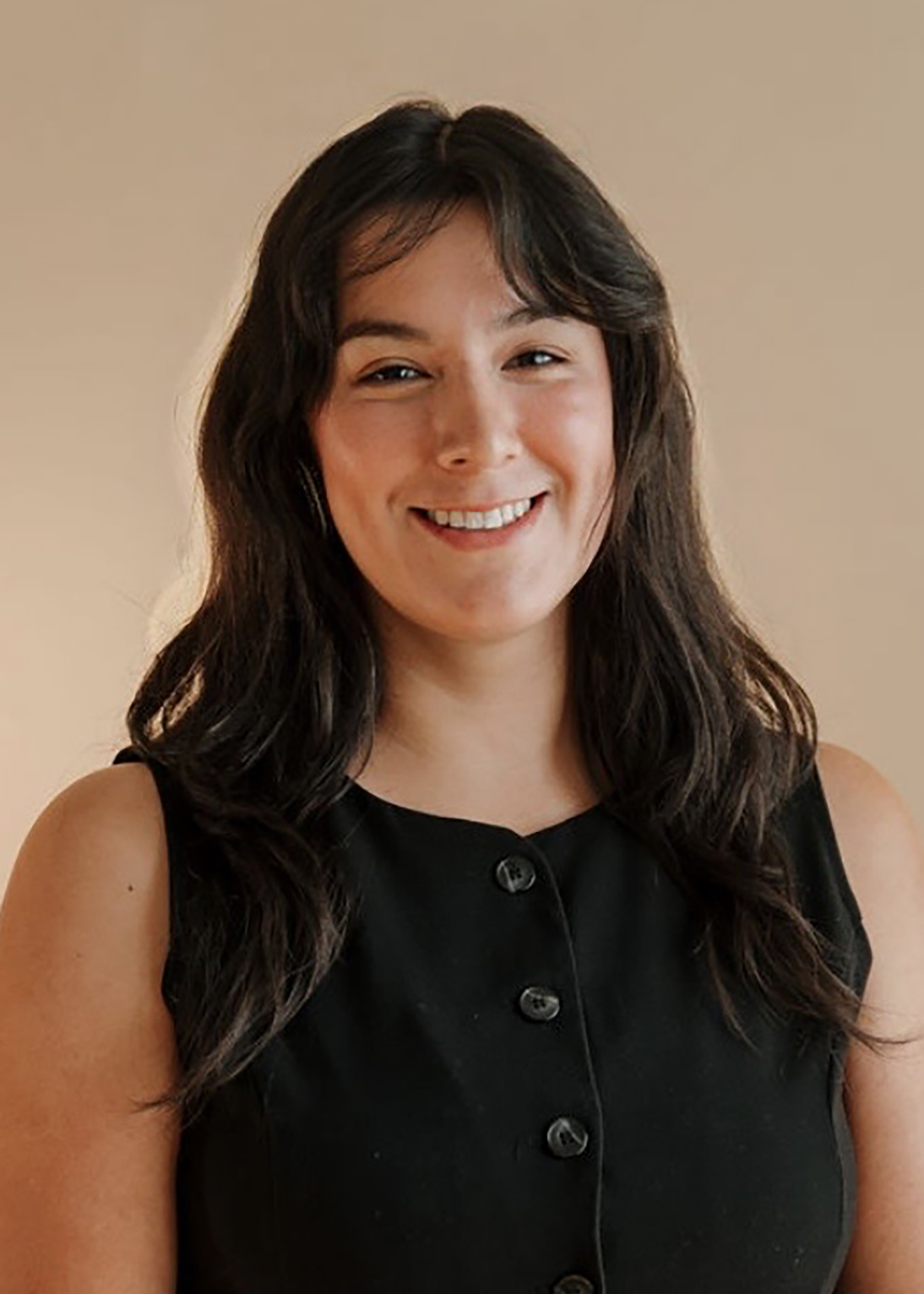 Summer Wabasse (Ontario)
Summer Wabasse is an Oji-Cree woman from Webequie First Nation in Ontario, raised in Thunder Bay and now based in Ottawa, where she works as a government relations specialist. She serves as co-chair of the Nishnawbe Aski Nation Oshkaatisak Youth Council and represents NAN youth on the Ontario First Nations Young Peoples Council through the Chiefs of Ontario. In these roles, she works alongside young people from remote and urban communities to strengthen governance, advocate for youth priorities and address barriers facing youth in remote northern First Nations. She also developed a toolkit for Chiefs to support meaningful youth engagement on and off reserve. She wants to help build a world that empowers youth to shape policy and that regularly includes them as partners in decision making.
Related articles
Tags
Committee news
Meet the participants of Voices of Youth Indigenous Leaders 2026
Eight youth from First Nations, Inuit and Métis communities across the country have been selected for this year’s Voices of Youth Indigenous Leaders at the Senate from October 27 to 28, 2026.
The annual program invites remarkable Indigenous youth to Ottawa to testify before the Senate Committee on Indigenous Peoples and attend networking events.
Keep scrolling to learn more about this year’s participants and the incredible work they are doing for their communities.
Jaylene Neisa Delorme (Northwest Territories)
Jaylene Neisa Delorme (Northwest Territories)
Jaylene Neisa Delorme is a member of the Yellowknives Dene First Nation from Hay River, Northwest Territories, and founder of Dënegóth Nají, a grassroots initiative dedicated to helping individuals and families navigate health care systems, government programs, educational opportunities and community resources. Through this work, she has seen firsthand that one of the greatest barriers facing Indigenous youth is not a lack of resilience or potential, but a lack of accessible support and guidance. She says that many Indigenous youth are already demonstrating leadership in their communities, but they need to be included in decisions that affect their futures.
Dreyden George (British Columbia)
Dreyden George (British Columbia)
Dreyden George, from T’Sou-ke First Nation on Vancouver Island, is the first Indigenous student to be elected president of Queen’s University’s student government. He also serves as chair and president of the DAXET Development Corporation, which identifies and manages economic development opportunities in T’Sou-ke First Nation, and as chair of the community’s Lands Advisory Board, which oversees issues regarding land development. He wants to develop systems, businesses and activities within the community that allow youth to develop leadership skills.
Chantal Kyplain (Saskatchewan) (Photo credit: Abigail Burden)
Chantal Kyplain (Saskatchewan)
A Métis woman and single mother in long-term recovery, Chantal Kyplain says her leadership journey has been about showing up for her community, creating space for others and using her lived experience to help others feel seen. In her role at the Saskatoon Indian & Métis Friendship Centre, she helps support programs, events and initiatives that serve Indigenous community members. A published poet and public speaker, she has also facilitated workshops focused on creative expression, wellness and healing. Her vision for fostering youth leadership begins with helping young people recognize their own strengths.
Trinity Lafford-Desmond (Nova Scotia)
Trinity Lafford-Desmond (Nova Scotia)
An engineering student from Paqtnkek Mi’kmaw First Nation in Nova Scotia, Trinity Lafford-Desmond has developed leadership skills through her work with two community outreach programs at St. Francis Xavier University, X-Project and Connecting Math to Our Lives and Communities. She supports youth through STEM programming in Mi’kmaw and African Nova Scotian communities by facilitating community visits, workshops and summer camps that connect science, technology, engineering and mathematics to everyday life. She has also worked with a solar energy company to install and design systems for Indigenous communities across Nova Scotia. She hopes that, through sharing her own educational and career journey, she can inspire youth to pursue STEM pathways.
Kyra Lustig (New Brunswick)
Kyra Lustig (New Brunswick)
A Red River Métis woman who’s now living in Fredericton, New Brunswick, Kyra Lustig advocates for Indigenous students at her university and works to uplift voices that often go unheard. She says she often experiences an “emotional tug-of-war” between longing for her home and feeling a responsibility to stand up for those who are part of the broader Indigenous community. She wants to inspire others who feel isolated or disconnected to embrace their stories and support each other, no matter their differences.
Makayla Mantla (Alberta)
Makayla Mantla (Alberta)
Makayla Mantla is a Tł̨ıchǫ citizen from Behchokǫ̀ in Treaty 11, Northwest Territories, who recently graduated with an Honours Bachelor of Science in Nursing from the University of Alberta, becoming the first person in her family to earn a university degree. As part of her nursing education, she researched Indigenous-specific racism in Canadian health care, examining how colonial systems continue to affect Indigenous patients. She was also elected Director of Indigenous Health and Advocacy for the Canadian Nursing Students’ Association, where she advocated for Indigenous nursing students and culturally safe health care. Through her work as a nursing student, and now a nurse in rural Alberta, she says she has seen how Indigenous patients often feel more comfortable when they are cared for by someone who understands their experiences.
Noah Pépin-Papigatuk (Quebec)
Noah Pépin-Papigatuk (Quebec)
From the small Nunavik community of Salluit, in northern Quebec, Noah Pépin-Papigatuk is a young Inuit leader who wants to see more leadership opportunities for Indigenous youth. He believes that if Indigenous youth are encouraged to participate in outings on their land and take part in day camps such as Qaulirmat and Nurrait Jeunes Karibus, it could help prevent drug and alcohol addiction among young people.
Summer Wabasse (Ontario)
Summer Wabasse (Ontario)
Summer Wabasse is an Oji-Cree woman from Webequie First Nation in Ontario, raised in Thunder Bay and now based in Ottawa, where she works as a government relations specialist. She serves as co-chair of the Nishnawbe Aski Nation Oshkaatisak Youth Council and represents NAN youth on the Ontario First Nations Young Peoples Council through the Chiefs of Ontario. In these roles, she works alongside young people from remote and urban communities to strengthen governance, advocate for youth priorities and address barriers facing youth in remote northern First Nations. She also developed a toolkit for Chiefs to support meaningful youth engagement on and off reserve. She wants to help build a world that empowers youth to shape policy and that regularly includes them as partners in decision making.