

‘Like being a rookie on a football team’: Senator Smith reflects on his route to the Senate
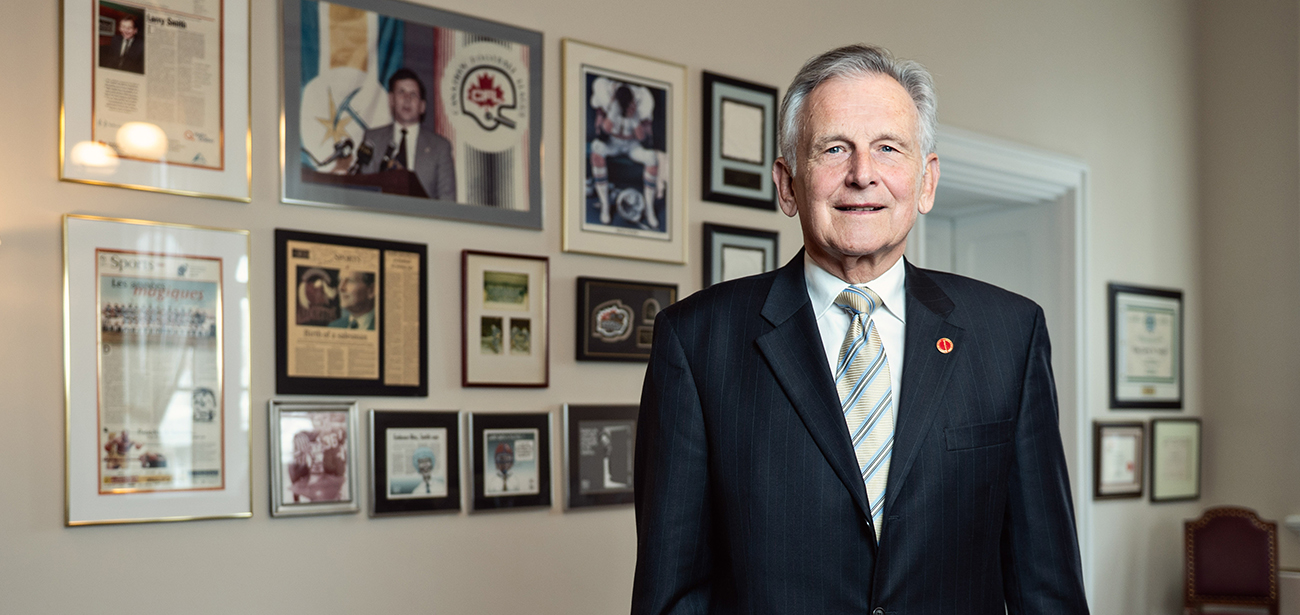
Whether playing football for the Montreal Alouettes, running the CFL as commissioner or chairing the Senate Committee on National Finance, Senator Larry W. Smith is known for being a team player on the field and in the upper house.
Throughout his career, he has served Montréal in sports, business and public service, helping the Alouettes win two Grey Cups in the 1970s, revitalizing the team in the 1990s, managing the Montreal Gazette, and representing Quebec in the Upper Chamber.
Ahead of his retirement on April 28, 2026, Senator Smith reflects on his path from professional sports to the business world and the Senate.
Long before your Senate career, you played for the Montreal Alouettes as a fullback. At what point did you know you wanted to play professional football?
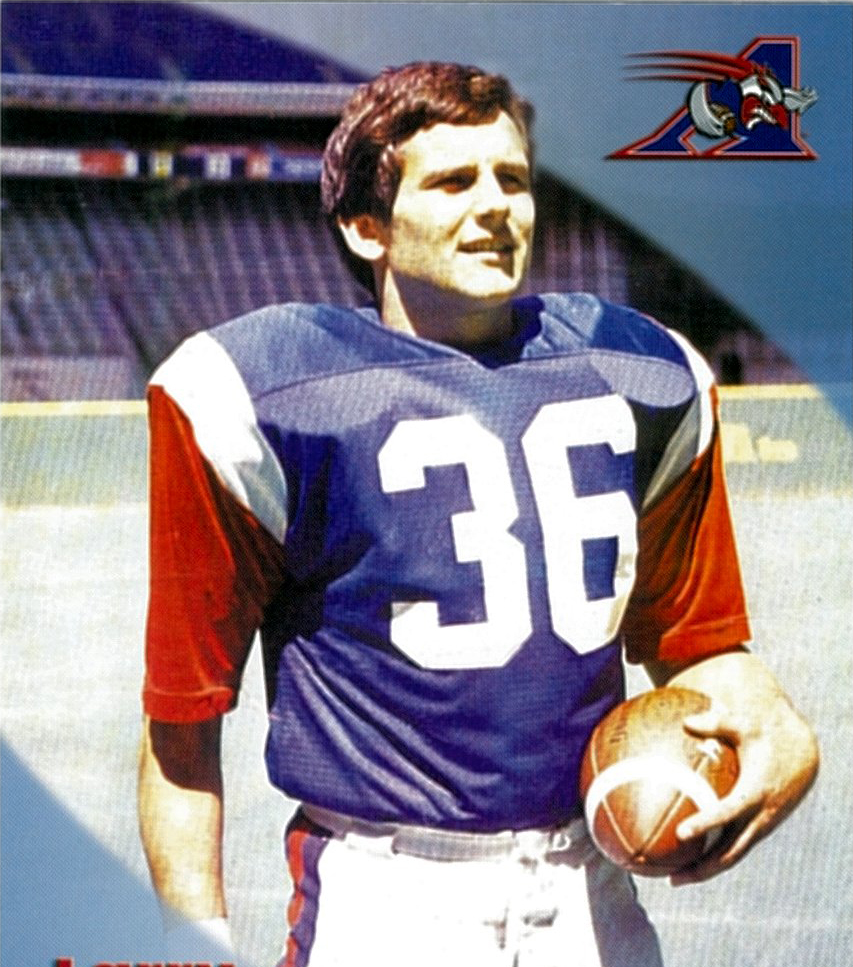
I started playing football at Hudson High School at 13 years old, and I did well from the beginning. By the time I got to my senior year, our team had won the city championship. We beat one of the biggest high schools in town, and I was lucky enough to score all three touchdowns. It fuelled me to play football for Bishop’s University, and I knew then that I wanted to be a pro athlete if given the opportunity. The Alouettes had two American running backs in the ’60s: George Dixon and Don Clark, who were great athletes, and I wanted to be like them. That was my dream.
You also completed a law degree during your professional football years. How did you manage such a demanding schedule?
When I graduated from Bishop’s University, many young people my age were pursuing MBAs, so I figured I would differentiate myself by studying law. Over three years, I took 93 credits, won the Grey Cup and then graduated law school in 1976. I’m very proud of that time because it was helter-skelter. I would wake up in the morning, go to practice in the afternoon and complete my courses in the evenings. It was a bit of an accomplishment to survive, but it was worth it. We won the Cup again in 1977 and my wife Leesa gave birth to our eldest son Wes that same year. Our daughter Ashley was born two years later followed by our youngest, Brad.
You have been inducted into the Quebec Sports Hall of Fame and the Canadian Football Hall of Fame and you were named chevalier of the Ordre Nationale du Québec in recognition of your work shaping the Alouettes and the CFL. What did it mean to you to receive these honours?
It was an honour to be recognized as an athlete, a businessperson and a builder in the Canadian Football League. I had a very good career as a player, but it was my accomplishments on the side that likely helped me position myself. I was a player rep for seven of the nine years I played, so I was in leadership positions throughout my youth and my professional sports career. My law degree also gave me opportunities in business, including with the CFL and the Montreal Gazette.
Throughout your years as Montreal Alouettes president, CFL commissioner and Canada Games Council chair, you travelled across the country to encourage youth to get involved in sports; you have since spoken about this in the Red Chamber. Why was this important to you?
It started with my own children. I was always involved coaching them in either hockey or football, including my son Brad, who ended up becoming a CFL player. Then I later took over as chair of the Canada Games Council from 2001 to 2010, which was a fantastic opportunity to get involved in community and sports. For each Canada Games, we built multimillion-dollar projects, from hockey rinks to baseball fields, in small communities that didn’t otherwise have the facilities.
The Canada Games is also a starting point for many young athletes. I remember going to the Campbellton-Bathurst Games in New Brunswick in 2003, and I saw this young 15-year-old kid playing hockey with the juniors. I said, this guy is unbelievable. It was Sidney Crosby.
Sports have been an important part of my life. Back home in Hudson, I have had adults come up to me and say, “Mr. Smith, do you remember me? You coached me in bantam hockey” or “You coached me at Lower Canada College.” It’s great to know that I did something to help young people get into sports.
You were first appointed to the Senate in 2010. How would you describe your early days in the Red Chamber?
It was very much like being a rookie on a football team. When I first joined the Alouettes, I was basically told to shut my mouth, do my best and work hard.
My first priority as a senator was to get on committees to better understand Senate operations. Senator Joseph A. Day, who was the chair of the Senate Committee on National Finance, invited me to serve as deputy chair, which I did for a few years until I became chair. Joe was a Liberal, I was a Conservative, and we got along very well. Through this committee, I learned about different Senate policies, budgets and how different areas of government activities were financed, which gave me perspective on some of the questionable decision-making processes in the civil service. I saw the good and the bad. It was overall a fascinating experience.
I also joined the Internal Economy committee, and I was tasked with reviewing proposed budgets for the fact-finding missions of various Senate committees. My job was to ensure that we had control of the costs of transportation and the number of people travelling with each committee. I had to learn how to involve others in decision-making, which was something I’d had to do in sports and business, but the Senate was a new world.
Apart from your work with National Finance, you served on several Senate committees throughout your tenure. What committee work are you most proud of?
In 2013, I had the opportunity to participate in a small Senate committee — along with then-senators Elizabeth Marshall and George J. Furey — that worked with the Auditor General to examine senators’ expenses. That was a very intense time, but I’m proud of the job we did. We worked to ensure that our colleagues were being treated with respect while also recognizing that there were spending rules to be followed.
What has it meant to you to serve in the Senate?
It was an honour to be called by Prime Minister Stephen Harper for this role. I briefly stepped back from the Senate to run as a candidate for the Lac-Saint-Louis federal election in 2011. I came third, but it was a great experience because I did 36 days of door knocking, about six hours a day, so I was always spending time with people. I was then asked to return to the Senate, which I saw as recognition that I could continue serving Canadians. I’m very thankful for the opportunity and for all the people along the way, regardless of political affiliation, who have helped me.
What advice would you pass on to the next senator appointed to replace you?
At the end of the day, your job is to make legislation the best it can be, in the interest of all Canadians. You can never lose focus on that because you’re not in the Senate to be a world traveller or spend other people’s money. You’re in the Senate to do the best possible job that you can while showing empathy, courage and a commitment to getting things done.
Watch the tributes to Senator Larry W. Smith and his farewell speech in the Senate Chamber.
Learn more about Senator Smith in this article.
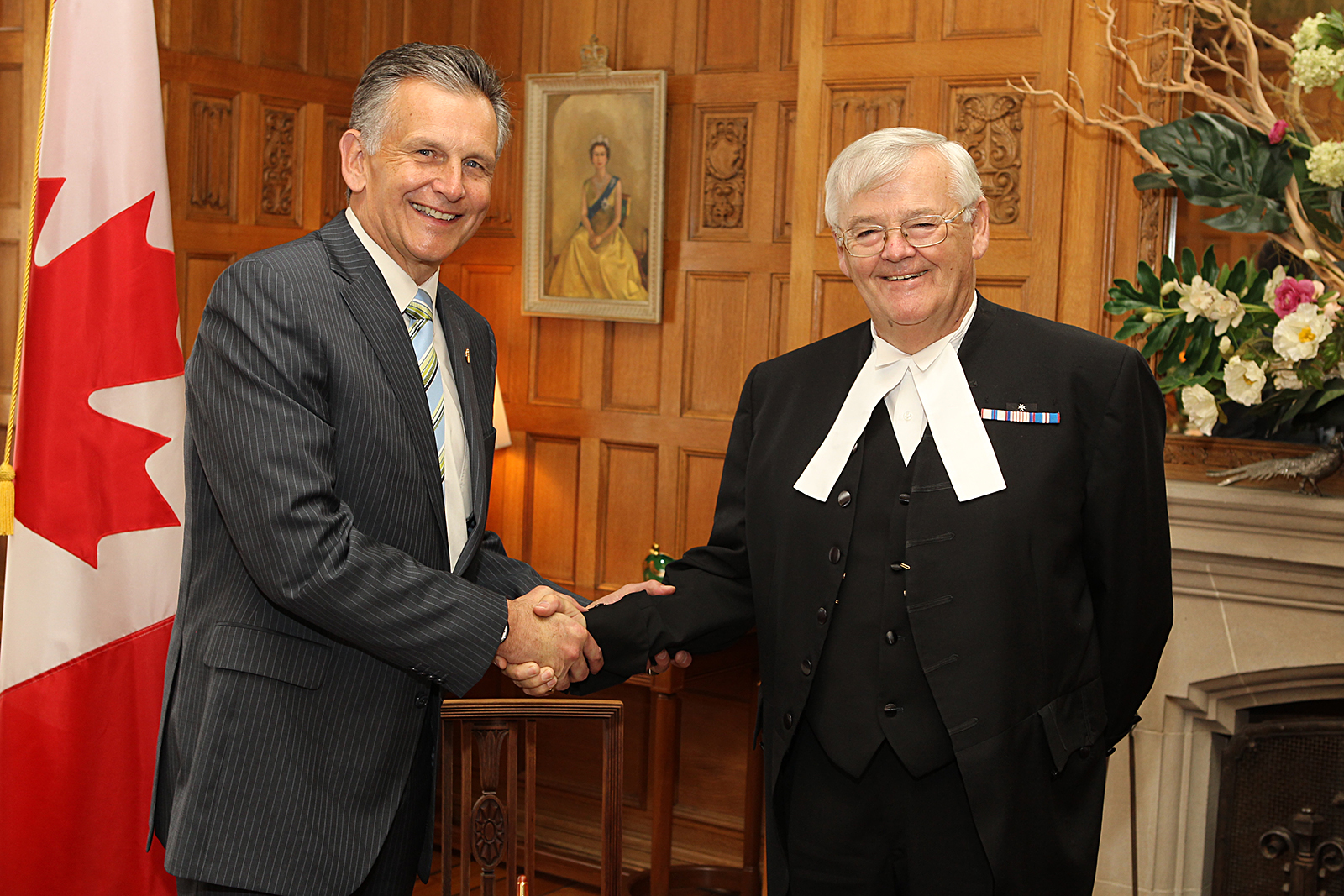 Senator Smith shakes hands with the Honourable Noël A. Kinsella, then the Speaker of the Senate, during his swearing-in ceremony on February 1, 2011.
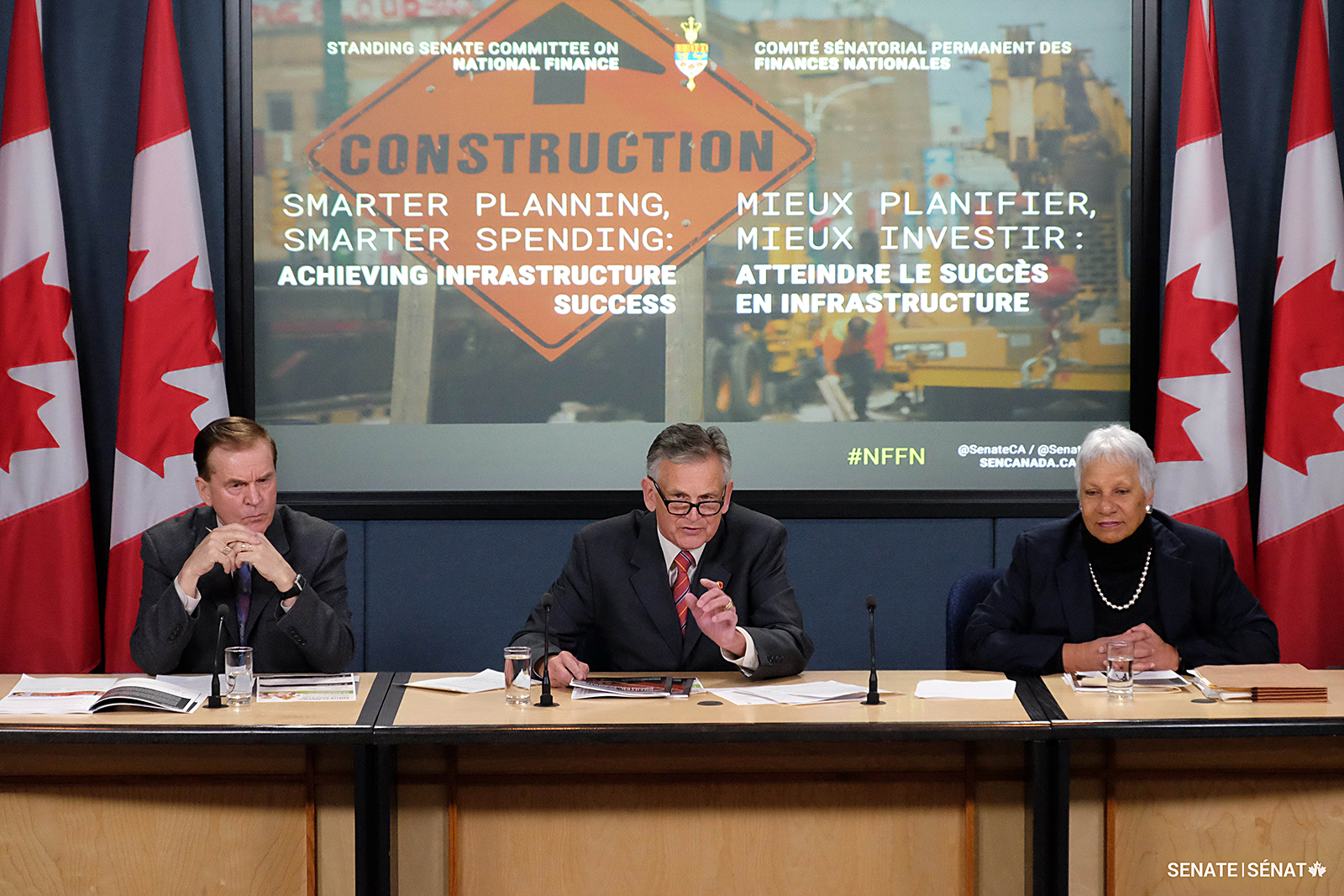 Senator Smith, flanked by former senators Percy Mockler and Anne C. Cools, answers questions from journalists about the Senate Committee on National Finance’s report on the federal government’s infrastructure program in Ottawa in February 2017.
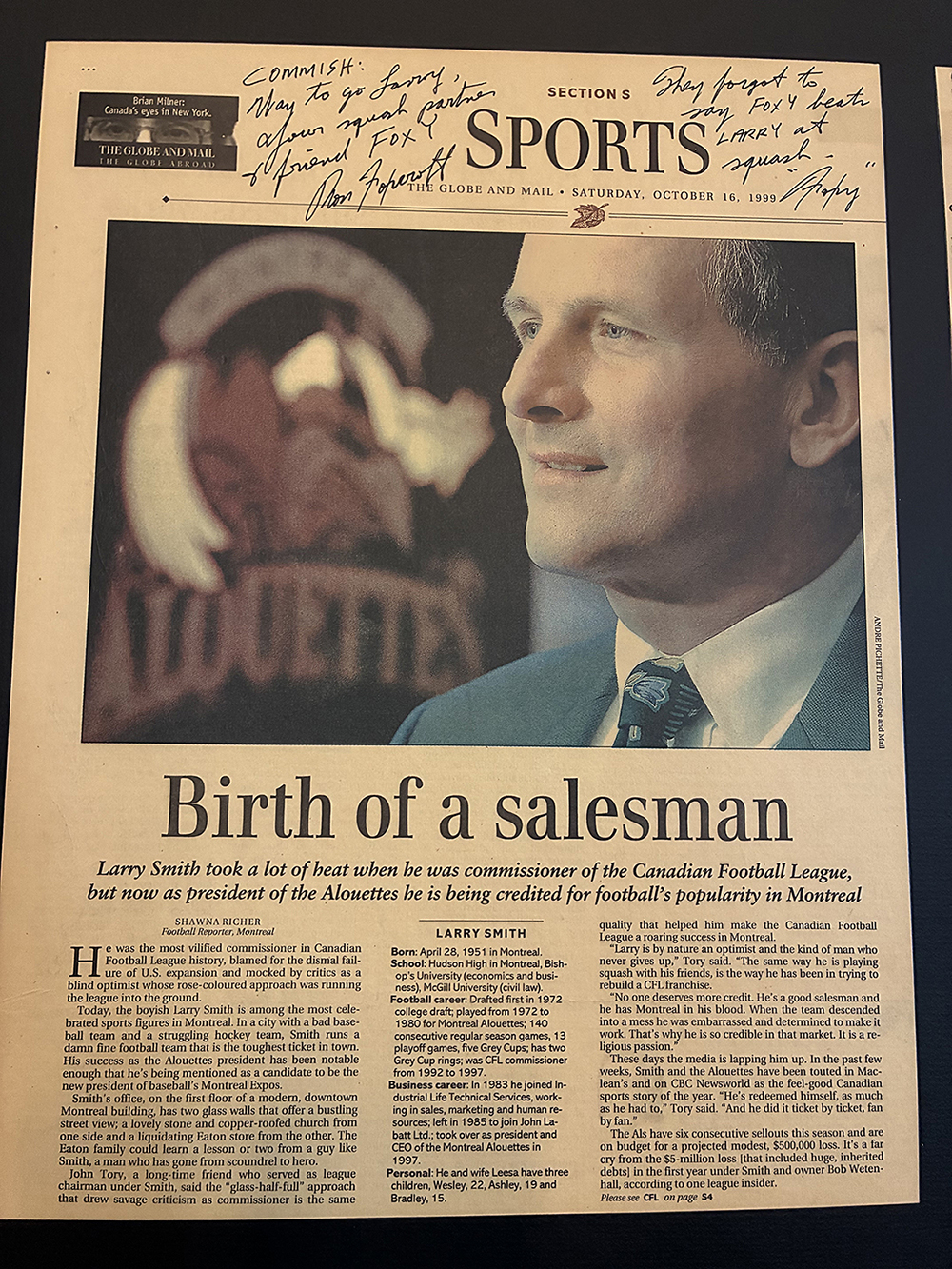 A newspaper clipping from a 1999 edition of the Globe and Mail featuring Senator Smith when he was president of the Montreal Alouettes. The senator kept this copy on display in his office.
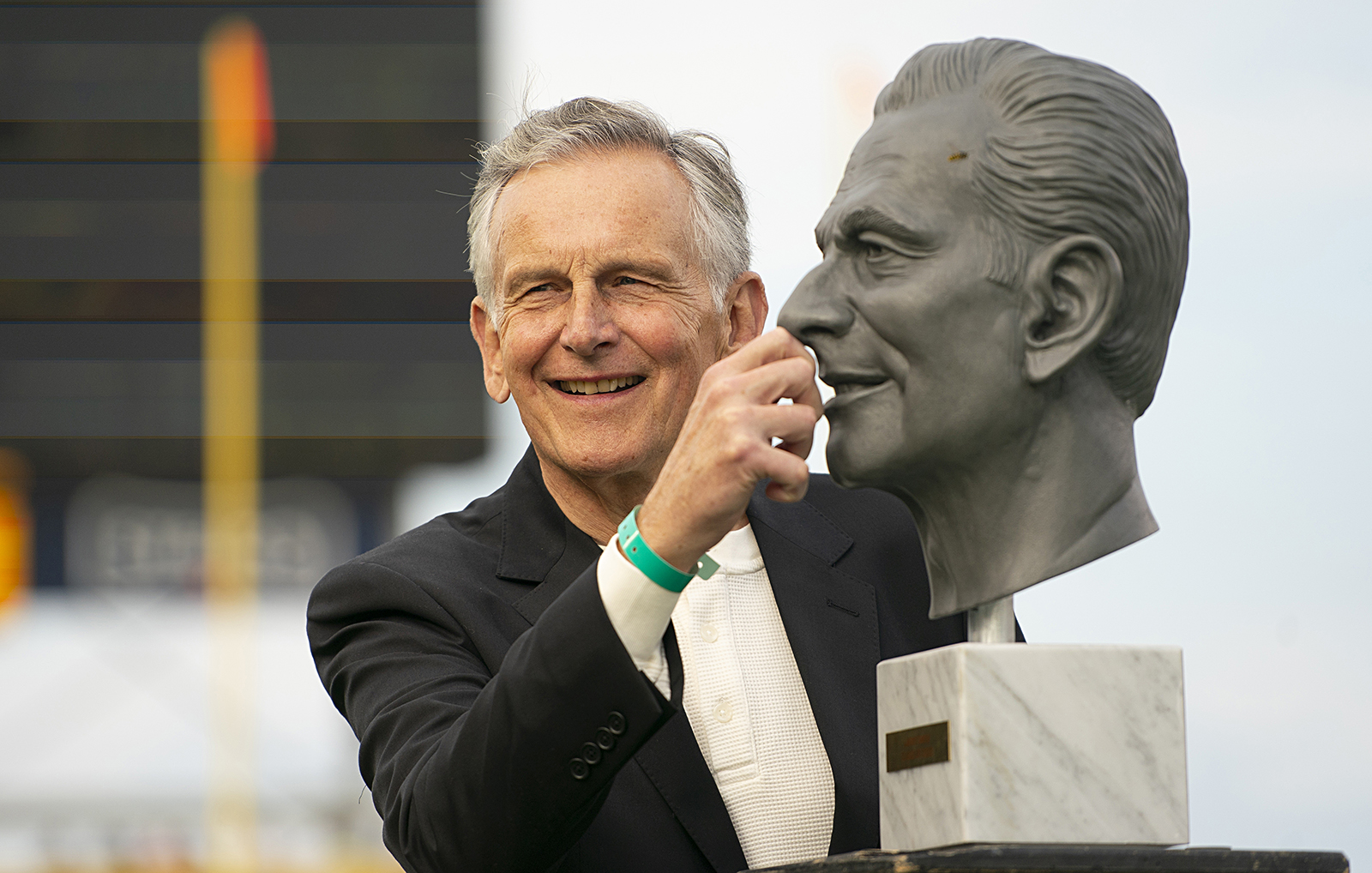 Senator Smith is inducted into the Canadian Football Hall of Fame in Hamilton, Ontario on September 16, 2023. (Photo credit: THE CANADIAN PRESS/Peter Power)
 Senator Smith, then president and CEO of the Montreal Alouettes, takes questions from reporters after announcing that he will be leaving the CFL club at a Montréal news conference in November 2010. (Photo credit: THE CANADIAN PRESS/Paul Chiasson)
 Senator Smith announces his candidacy for the federal election on December 21, 2010, in Montréal. (Photo credit: THE CANADIAN PRESS/Paul Chiasson)
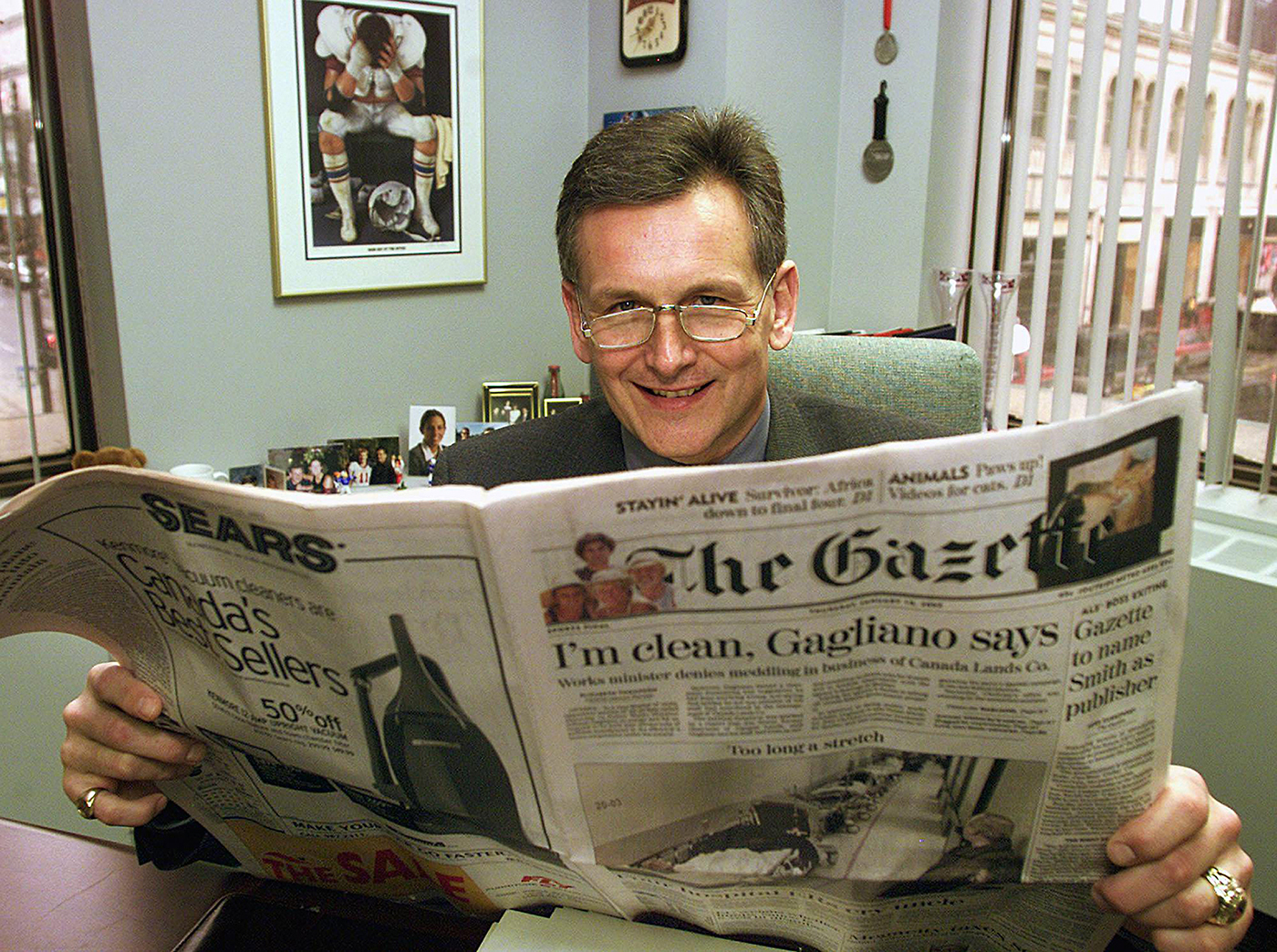 Senator Smith holds up a copy of what was then The Gazette after being named the newspaper’s publisher in January 2002. (Photo credit: CP PHOTO/Ryan Remiorz)
Related articles
Tags
Committee news
‘Like being a rookie on a football team’: Senator Smith reflects on his route to the Senate
Whether playing football for the Montreal Alouettes, running the CFL as commissioner or chairing the Senate Committee on National Finance, Senator Larry W. Smith is known for being a team player on the field and in the upper house.
Throughout his career, he has served Montréal in sports, business and public service, helping the Alouettes win two Grey Cups in the 1970s, revitalizing the team in the 1990s, managing the Montreal Gazette, and representing Quebec in the Upper Chamber.
Ahead of his retirement on April 28, 2026, Senator Smith reflects on his path from professional sports to the business world and the Senate.
Long before your Senate career, you played for the Montreal Alouettes as a fullback. At what point did you know you wanted to play professional football?
I started playing football at Hudson High School at 13 years old, and I did well from the beginning. By the time I got to my senior year, our team had won the city championship. We beat one of the biggest high schools in town, and I was lucky enough to score all three touchdowns. It fuelled me to play football for Bishop’s University, and I knew then that I wanted to be a pro athlete if given the opportunity. The Alouettes had two American running backs in the ’60s: George Dixon and Don Clark, who were great athletes, and I wanted to be like them. That was my dream.
You also completed a law degree during your professional football years. How did you manage such a demanding schedule?
When I graduated from Bishop’s University, many young people my age were pursuing MBAs, so I figured I would differentiate myself by studying law. Over three years, I took 93 credits, won the Grey Cup and then graduated law school in 1976. I’m very proud of that time because it was helter-skelter. I would wake up in the morning, go to practice in the afternoon and complete my courses in the evenings. It was a bit of an accomplishment to survive, but it was worth it. We won the Cup again in 1977 and my wife Leesa gave birth to our eldest son Wes that same year. Our daughter Ashley was born two years later followed by our youngest, Brad.
You have been inducted into the Quebec Sports Hall of Fame and the Canadian Football Hall of Fame and you were named chevalier of the Ordre Nationale du Québec in recognition of your work shaping the Alouettes and the CFL. What did it mean to you to receive these honours?
It was an honour to be recognized as an athlete, a businessperson and a builder in the Canadian Football League. I had a very good career as a player, but it was my accomplishments on the side that likely helped me position myself. I was a player rep for seven of the nine years I played, so I was in leadership positions throughout my youth and my professional sports career. My law degree also gave me opportunities in business, including with the CFL and the Montreal Gazette.
Throughout your years as Montreal Alouettes president, CFL commissioner and Canada Games Council chair, you travelled across the country to encourage youth to get involved in sports; you have since spoken about this in the Red Chamber. Why was this important to you?
It started with my own children. I was always involved coaching them in either hockey or football, including my son Brad, who ended up becoming a CFL player. Then I later took over as chair of the Canada Games Council from 2001 to 2010, which was a fantastic opportunity to get involved in community and sports. For each Canada Games, we built multimillion-dollar projects, from hockey rinks to baseball fields, in small communities that didn’t otherwise have the facilities.
The Canada Games is also a starting point for many young athletes. I remember going to the Campbellton-Bathurst Games in New Brunswick in 2003, and I saw this young 15-year-old kid playing hockey with the juniors. I said, this guy is unbelievable. It was Sidney Crosby.
Sports have been an important part of my life. Back home in Hudson, I have had adults come up to me and say, “Mr. Smith, do you remember me? You coached me in bantam hockey” or “You coached me at Lower Canada College.” It’s great to know that I did something to help young people get into sports.
You were first appointed to the Senate in 2010. How would you describe your early days in the Red Chamber?
It was very much like being a rookie on a football team. When I first joined the Alouettes, I was basically told to shut my mouth, do my best and work hard.
My first priority as a senator was to get on committees to better understand Senate operations. Senator Joseph A. Day, who was the chair of the Senate Committee on National Finance, invited me to serve as deputy chair, which I did for a few years until I became chair. Joe was a Liberal, I was a Conservative, and we got along very well. Through this committee, I learned about different Senate policies, budgets and how different areas of government activities were financed, which gave me perspective on some of the questionable decision-making processes in the civil service. I saw the good and the bad. It was overall a fascinating experience.
I also joined the Internal Economy committee, and I was tasked with reviewing proposed budgets for the fact-finding missions of various Senate committees. My job was to ensure that we had control of the costs of transportation and the number of people travelling with each committee. I had to learn how to involve others in decision-making, which was something I’d had to do in sports and business, but the Senate was a new world.
Apart from your work with National Finance, you served on several Senate committees throughout your tenure. What committee work are you most proud of?
In 2013, I had the opportunity to participate in a small Senate committee — along with then-senators Elizabeth Marshall and George J. Furey — that worked with the Auditor General to examine senators’ expenses. That was a very intense time, but I’m proud of the job we did. We worked to ensure that our colleagues were being treated with respect while also recognizing that there were spending rules to be followed.
What has it meant to you to serve in the Senate?
It was an honour to be called by Prime Minister Stephen Harper for this role. I briefly stepped back from the Senate to run as a candidate for the Lac-Saint-Louis federal election in 2011. I came third, but it was a great experience because I did 36 days of door knocking, about six hours a day, so I was always spending time with people. I was then asked to return to the Senate, which I saw as recognition that I could continue serving Canadians. I’m very thankful for the opportunity and for all the people along the way, regardless of political affiliation, who have helped me.
What advice would you pass on to the next senator appointed to replace you?
At the end of the day, your job is to make legislation the best it can be, in the interest of all Canadians. You can never lose focus on that because you’re not in the Senate to be a world traveller or spend other people’s money. You’re in the Senate to do the best possible job that you can while showing empathy, courage and a commitment to getting things done.
Watch the tributes to Senator Larry W. Smith and his farewell speech in the Senate Chamber.
Learn more about Senator Smith in this article.
Senator Smith shakes hands with the Honourable Noël A. Kinsella, then the Speaker of the Senate, during his swearing-in ceremony on February 1, 2011.
Senator Smith, flanked by former senators Percy Mockler and Anne C. Cools, answers questions from journalists about the Senate Committee on National Finance’s report on the federal government’s infrastructure program in Ottawa in February 2017.
A newspaper clipping from a 1999 edition of the Globe and Mail featuring Senator Smith when he was president of the Montreal Alouettes. The senator kept this copy on display in his office.
Senator Smith is inducted into the Canadian Football Hall of Fame in Hamilton, Ontario on September 16, 2023. (Photo credit: THE CANADIAN PRESS/Peter Power)
Senator Smith, then president and CEO of the Montreal Alouettes, takes questions from reporters after announcing that he will be leaving the CFL club at a Montréal news conference in November 2010. (Photo credit: THE CANADIAN PRESS/Paul Chiasson)
Senator Smith announces his candidacy for the federal election on December 21, 2010, in Montréal. (Photo credit: THE CANADIAN PRESS/Paul Chiasson)
Senator Smith holds up a copy of what was then The Gazette after being named the newspaper’s publisher in January 2002. (Photo credit: CP PHOTO/Ryan Remiorz)